


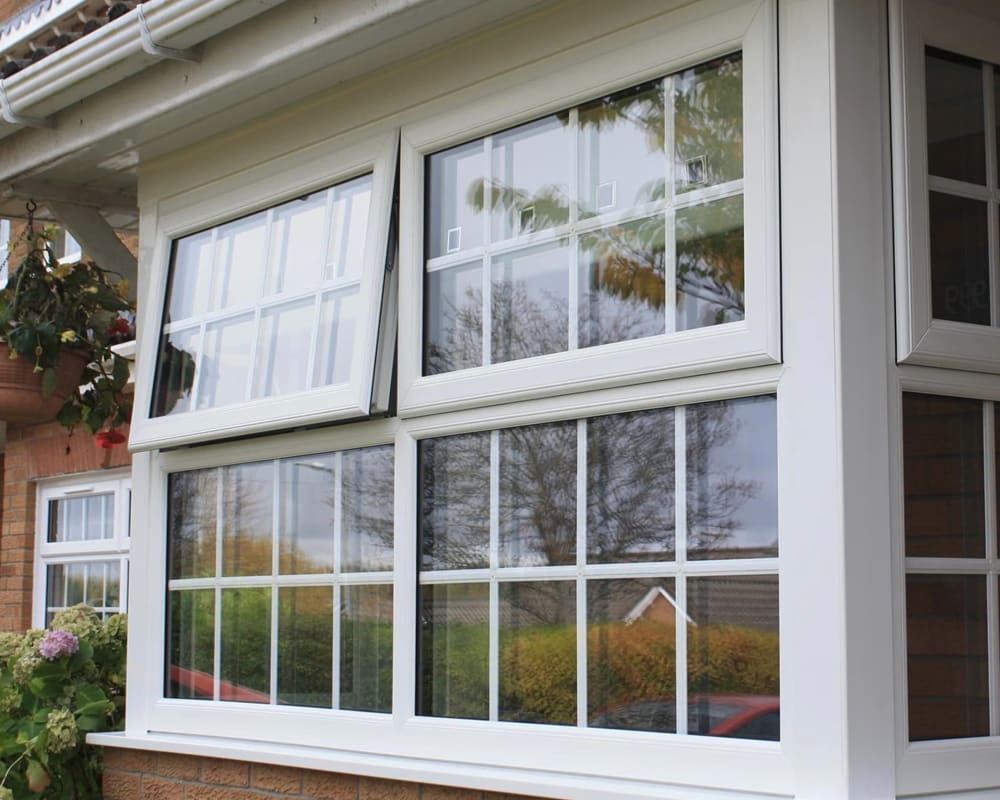
What Is Double Glazing and How Does It Work? – By Double Glazing Glasgow Professionals
Double glazing is a smart and cost-effective way to make your home more energy efficient.
A double glazed window or door is made up of two panes of glass which are separated by a sealed gap. This sealed area can contain air or non-toxic argon gas, which acts as an invisible and insulating barrier. By reducing heat transfer, double glazing can keep your home warm in the winter but cool during the hotter months.
This helps you live in comfort while lowering your energy bills. Saving you money whilst you help save the planet.
How Long Do Double Glazed Windows Last?
Average lifespan of double glazing
Double glazing is designed to last. New double glazed windows and doors are expected to last anywhere between 20 and 35 years. This makes them a worthwhile investment for homes and properties.
Modern double glazed units can vary in design and price points, this means there should be an option to suit every budget and housing style. When you combine their long-lasting life with their energy efficient properties, double glazed windows can add real value to a home. New windows can increase a home’s value by as much as 10%!
Factors that affect how long double glazing lasts
There are many factors that may affect double glazed windows lifespan:
- Quality of Installation: Hiring in professionals to fit your double glazing can ensure that all the seals are fully airtight and functional. This helps prolong the window’s lifespan and keeps it saving your energy bills for years to come.
- Materials Used: Different materials used for the window frames affects the length of time these windows can last.
- Maintenance: Taking care of your windows through regular inspections and cleaning can help extend their life.
- Usage: The more frequently you use your windows, the more prone they can be to accidents and damage. This can shorten the lifespan of double glazed windows.
- Location: Areas with harsher weather can wear down your windows at a faster rate. Wooden window frames are particularly affected by weather conditions.
Types of Double Glazed Window Frames and Their Lifespan
How Long Do uPVC Windows Last?
uPVC is a popular choice for double glazed windows in the UK. With a variety of styles to choose from, from sash windows to casement to tilt and turn, there is a style to suit every household.
When they are well-made and properly installed, uPVC double glazed windows can last as long as 35 years. However, the exact lifespan depends on the quality of the materials and installation. Higher-grade uPVC will naturally last longer, while cheaper windows may need replacing sooner.
Do Aluminium Window Units Last Longer?
Aluminium windows are framed with strong, but lightweight, aluminum metal.
Although they are typically more expensive than uPVC windows, aluminium windows last much longer. With proper care, aluminium windows can last up to 50 years. This makes them one of the longest lasting windows on the market.
How Long Should Wooden Windows or Timber Windows Last?
Wooden and timber windows bring timeless elegance to a home. They also are incredibly durable. Some timber frames will make it to 60 years old.
While softer woods are more prone to warping, modern timber frames are designed to be much stronger and longer-lasting than older versions. With the right care, such as repainting every 7 years, timber windows can remain sturdy and safe for decades.
Signs Your Double Glazing Needs Replacing
There are some common signs that it is nearing the time to replace your double glazed windows. Recognising these signs early can help you stay in control of your energy bills and plan a replacement for a time that works best for you.
Frosted Windows and Condensation Between Panes
When you spot persistent condensation or fogging between the glass panes, it’s a clear indication that the seal of your double glazed unit has failed. Once this happens, the insulation properties significantly diminish, and the unit will need replacing. This internal condensation differs from normal surface condensation and indicates that the window is no longer performing as designed.
In extreme cases, failed seals can cause the glass to appear permanently ‘frosted’. The easiest solution for frosted windows is to replace the glazing unit and restore proper insulation.
Draughts and Cold Spots
If you can feel cold air seeping through when standing near your closed windows, or if you notice particularly chilly areas around window frames, your windows are no longer providing proper insulation.
Difficulty Opening or Closing
Windows that stick, jam, or require excessive force to operate often point to warping or structural issues with the frame. Unfortunately, this issue won’t correct itself and will worsen over time due to seasonal changes and weathering.
It’s important to call in the experts to assess your window while it’s still semi-functional to try to correct any solvable issues. However, sometimes replacement is the most effective long-term solution for double glazed windows with significant frame damage.
Visible Damage or Deterioration
Visible signs of wear and tear, such as cracked glass, rotting wooden frames or corroded metal parts, suggest your windows are reaching the end of their life. Similarly, if your window frame feels soft or springy when pressed, this may indicate that water damage or rot is present. This requires replacement.
Rising Energy Bills
Unfortunately, double-glazed windows don’t last forever. If your energy bills are unexpectedly rising, it may be a sign you need to replace your double glazing. Worn seals, draughts, cracks, and gaps can all affect your energy-efficiency, meaning replacement is the best long-term solution.
Extending the Life of Your Double Glazing
With proper care, you can maximise the lifespan of your double glazing.
Regular Cleaning and Maintenance
We recommend cleaning your windows several times throughout the year using products appropriate for your specific frame material.
For uPVC, avoid abrasive cleaners that might scratch the surface and diminish appearance.
With timber frames, regularly check for signs of rot or peeling paint that could allow moisture to penetrate. Clean tracks and hinges to prevent debris accumulation that can strain operating mechanisms and lead to premature wear. To protect against rot and weather damage, timber frames should be repainted roughly every seven years. This can help them last until they are 60 years old.
Prompt Repairs
Addressing minor issues quickly prevents them from developing into major problems. Replacing a damaged seal or fixing a small crack in the frame costs much less than replacing an entire window unit later.
That said, sometimes replacing a window is more cost-effective in the long run than repeatedly repairing an older one. Expert advice can help you decide whether upgrading to a modern, energy-efficient double glazed window will save you more money and hassle over time.
Professional Servicing
Consider having your windows professionally examined every few years. This can help identify any potential problems early and make any necessary adjustments. This will extend the lifespan of double glazing considerably, delaying the cost of full replacement.
Contact Our Specialist Team Today – The Advanced Group Glasgow
Our trusted team at The Advanced Group is here to help you with your double glazing needs.
Whether you need your windows inspected, repaired, or replaced, our experienced team has all the knowledge and experience to get the job done with ease. We take pride in delivering high-quality service that ensures your home stays energy-efficient, no matter what the weather.
If you’d like to learn more about extending the life of your current windows or getting new double glazing installed, contact The Advanced Group in Glasgow at 0141 473 4141.
