


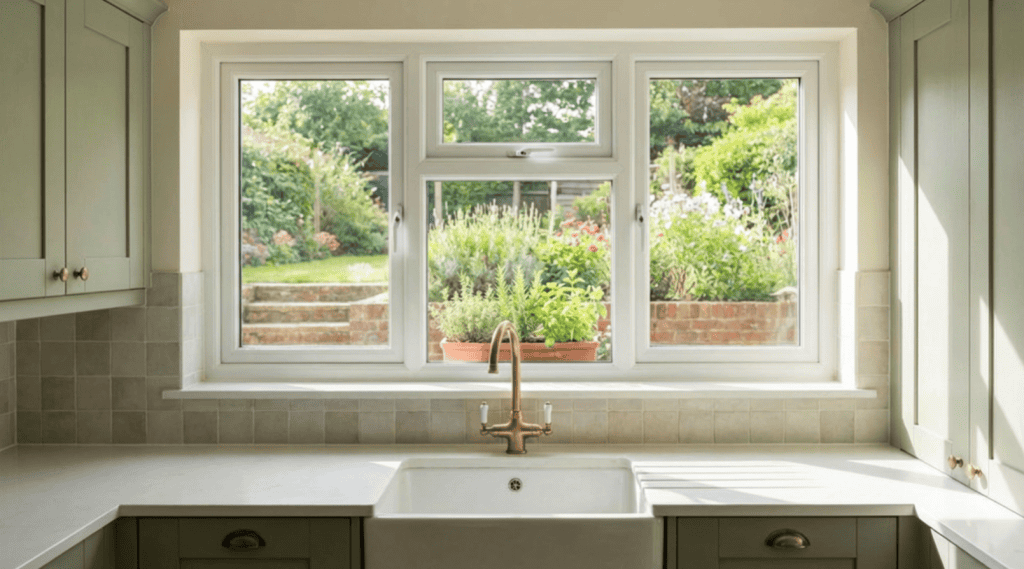
uPVC gets a mixed press on the environmental front.
But the material, the manufacturing processes, and the end-of-life options have changed dramatically since uPVC’s early days. And the environmental picture in 2026 looks very different from what most people assume.
Here’s an honest look at how uPVC windows affect the environment across their full lifecycle, and how they compare with timber and aluminium alternatives/
The environmental benefits of uPVC windows – Advice by Glasgow double glazing experts
The biggest environmental benefit of any energy-efficient window is the energy it saves over its working life.
A modern double-glazed uPVC window with low-e coated glazing reduces heat loss by around 60-70% compared to old single glazing.
That means your boiler runs less, you burn less gas, and your home produces fewer CO2 emissions year after year.
For a typical three-bedroom semi, upgrading to A-rated uPVC double glazing can cut carbon emissions by several hundred kilograms of CO2 annually. Over a 30-year lifespan, the cumulative reduction is measured in tonnes.
Triple glazing pushes the energy savings further.
With U-values as low as 0.8 W/m²K in a well-specified uPVC frame, triple glazed windows keep homes warmer using less energy, which is particularly relevant in Scotland where heating runs for six or seven months of the year.

Recyclability and end-of-life options
The recycling story is where uPVC has improved most dramatically. Early uPVC windows were difficult to recycle because the material was mixed with other substances and the infrastructure didn’t exist.
Today, uPVC is one of the most recyclable building materials available. The frames can be recycled up to ten times without quality loss, and each cycle uses around 90% less energy than producing virgin PVC.
When we remove old windows during an installation, the frames go to specialist recyclers who reprocess the material into new profiles, drainage pipes, or other products. We try to divert as much as possible from the landfill, for a more circular economy.
And this is the same with the frames we purchase too.
Our own uPVC frames contain over 80% recycled or renewable material, sourced through a recycling programme with our supply partners.
That figure would have been unthinkable twenty years ago, and it continues to improve as the recycling infrastructure matures and demand for recycled PVC grows across the construction industry.
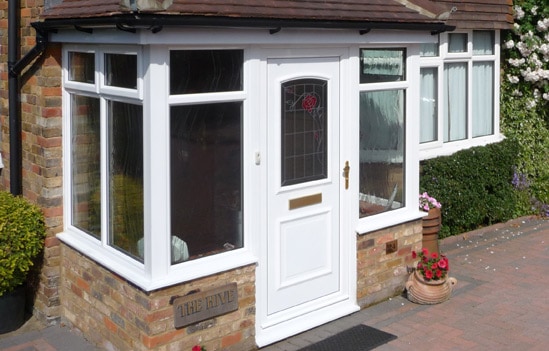
uPVC versus timber windows: the environmental comparison
The timber versus uPVC debate is one of the longest-running arguments in the window industry, and the environmental angle is where it gets most heated.
Timber window advocates argue that wood is a natural, renewable, sustainably sourced material with a lower carbon footprint at the point of manufacture. And that’s true, as far as it goes.
Growing a tree absorbs CO2, and processing timber into window frames uses less energy than manufacturing uPVC profiles. If you look purely at embodied carbon on the day of installation, timber comes out ahead.
But windows don’t exist for one day. They exist for decades, and that’s where the picture changes. Timber frames need repainting or re-staining every three to five years to survive Scotland’s wet climate.
Each maintenance cycle uses paint, solvents, and energy. If the maintenance is neglected, the frames rot and need replacing sooner, which means another full set of windows manufactured and installed.
uPVC frames, by contrast, need no painting, no staining, and no treatment. You clean them with soap and water. They don’t rot, don’t swell, and don’t attract woodworm.
A well-made uPVC window lasts 30 to 60 years with virtually zero maintenance. That means fewer resources consumed over its lifecycle and fewer replacement cycles over the life of the building.
Factoring in maintenance, lifespan, and recyclability, we believe that uPVC windows just pip the post, especially for Scotland’s wet climate!
How does aluminium compare environmentally?
There is also the aluminium vs uPVC argument.
Manufacturing aluminium from raw bauxite ore is extremely energy-intensive, giving new aluminium window frames a much higher embodied carbon than uPVC or timber.
However, aluminium is infinitely recyclable without quality loss, and recycled aluminium uses only about 5% of the energy needed to produce primary aluminium.
But there is a big catch.
Aluminium windows are currently recycled at lower rates than uPVC in the UK residential market. The recycling infrastructure is geared more toward commercial and industrial aluminium waste.
It is slowly changing, but for now, we believe that uPVC has the edge in practical recyclability for home window frames.
Energy efficiency and carbon emission reductions
The energy efficiency of your windows has a direct effect on your home’s carbon footprint. Old single-glazed windows can lose up to ten times more heat than a modern A-rated double glazed unit.
Even upgrading from early double glazing to current-specification units makes a noticeable difference, because the glass coatings, gas fills, and frame technology have all improved substantially.
Better insulation means less energy used for heating, which means lower energy bills and lower carbon emissions from your household.
The manufacturing process and its environmental impact
It would be dishonest to pretend that manufacturing uPVC has no environmental impact. PVC production involves chlorine and ethylene, and the process consumes energy and produces emissions.
The industry has faced legitimate criticism over the years about the chemicals involved, particularly around the use of lead-based stabilisers in older formulations.
Modern uPVC profiles have moved away from lead stabilisers entirely, switching to calcium-zinc alternatives that are environmentally safer. Manufacturing processes have become more efficient and recycled content has increased steadily.
The environmental impact of uPVC manufacturing is real, but it’s considerably lower than a generation ago. And the lifecycle benefits of longevity, low maintenance, recyclability and energy savings, offset the manufacturing impact many times over.
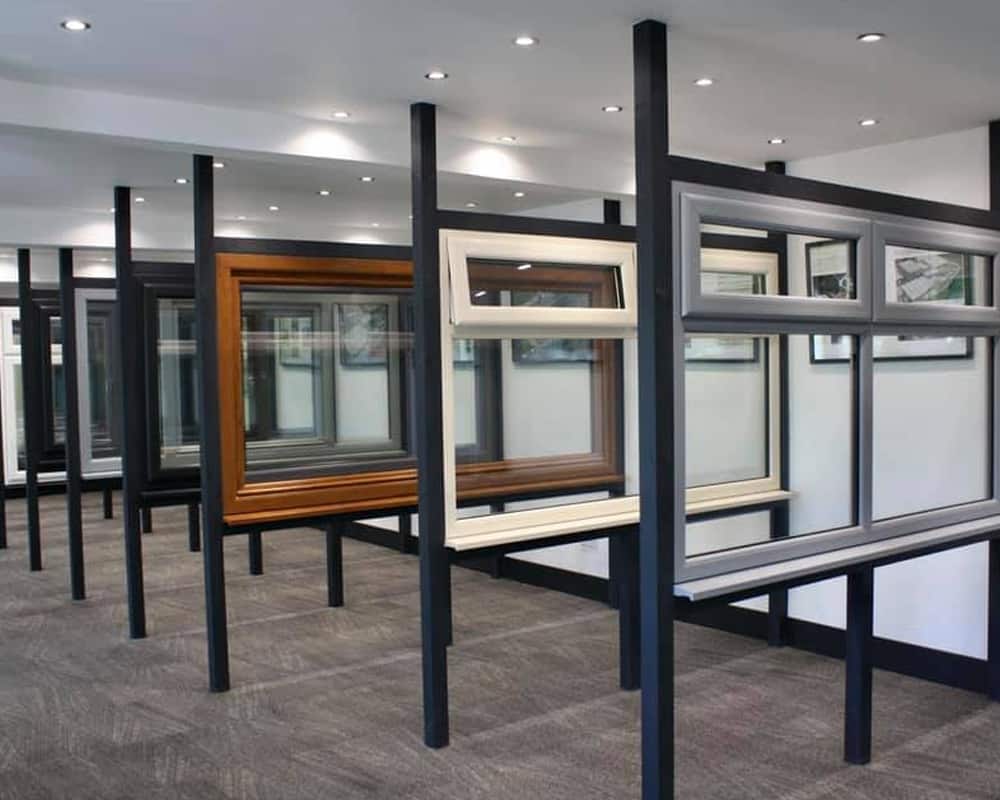
Making an eco-friendly choice for your home with The Advanced Group
No building material is ever perfect from an environmental standpoint. Timber needs ongoing chemical treatment. Aluminium requires enormous energy to produce. uPVC is derived from fossil fuels.
The question isn’t which material has zero impact, but which delivers the best environmental outcome over the full life cycle of the product.
For most Scottish homeowners, uPVC offers the strongest overall environmental case. It lasts decades without maintenance, it’s recyclable at end of life, and it provides excellent insulation that reduces energy consumption and carbon emissions.
When sourced from a manufacturer using recycled content (as ours are), the gap between uPVC and supposedly “greener” alternatives narrows further still.
If you live in a conservation area where timber windows are required by planning rules, sustainably sourced hardwood with modern paint systems is the most environmentally responsible timber option. For everyone else, energy-efficient uPVC windows and doors deliver the best balance of environmental performance, cost, and practicality.
Here at The Advanced Group, we’ve been fitting uPVC windows across Central Scotland for over 37 years. If you are looking to upgrade your windows or learn more about uPVC’s environmental impact, we would be delighted to talk with you. Simply call us on 01355 271 223 (Glasgow) or 0131 370 0444 (Edinburgh) to learn more information.
