



Low-e coatings are one of the biggest improvements in glazing technology over the past thirty years, and they’re now standard on virtually all new double and triple glazed windows sold in the UK.
Here’s how the coating works, why it makes such a difference to your energy bills, and what the wider environmental benefits look like.
What is low-e glass and how does low emissivity glazing work? – Advice by Glasgow double glazing professionals
Low-e stands for low emissivity. Emissivity is a measure of how much thermal energy (heat in the form of infrared radiation) a surface gives off.
Ordinary uncoated glass has high emissivity, which means it radiates heat readily.
In winter, the warm air inside your home heats the inner pane of glass, and that pane then radiates a large portion of that thermal energy outward through the glass unit and into the cold air outside. The result is heat loss through your windows, a colder room near the glass, and a boiler working harder to compensate.
A low-e coating changes that.
It’s an incredibly thin layer of metallic oxide (usually tin oxide or silver) applied to the surface of the glass during manufacturing. This coating is transparent to visible light, so you can see through it perfectly normally, but it reflects infrared radiation back into the room instead of letting it pass through. Low-e glass helps keep the heat where you want it: inside your home in winter, and outside in summer.
The coating is typically applied to the inner surface of the outer pane in a double glazed unit, or to one of the internal surfaces in a triple glazed unit. That positioning protects the coating from damage while putting it in the ideal spot to reflect heat back into the living space.

Thermal performance advantages of low-e glazing
The numbers tell the story clearly.
A standard double glazed unit without a low-e coating achieves a centre-pane U-value of around 2.8 W/m²K. Add a low-e coating and fill the cavity with argon gas, and that drops to around 1.1 W/m²K. That’s a 60% reduction in heat transfer through the glass, from a coating you can’t even see.
In a triple glazed unit with two low-e coated surfaces and argon or krypton gas fill, the U-value drops further to around 0.6 W/m²K.
At that level, the window is approaching the thermal performance of an insulated wall, which was unthinkable a generation ago.
For a Scottish home where the heating can run for six or seven months of the year, that reduction in heat loss translates directly into lower energy bill.
Even upgrading from older double glazing without a low-e coating to new coated units makes a noticeable difference to how warm the house feels and how often the boiler fires up.
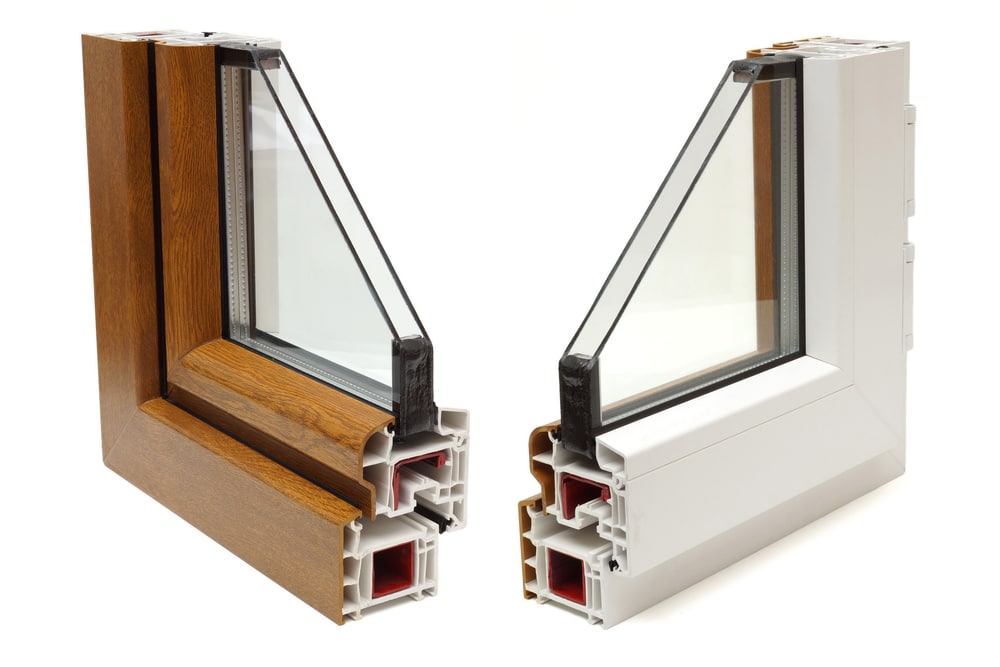
How low-e coatings improve energy efficiency and reduce energy consumption
Energy efficiency in a window is about controlling heat flow in both directions.
In winter, you want to reduce heat loss from inside to outside. In summer, you want to limit solar heat gain from outside to inside, so rooms don’t overheat on sunny days.
Low-e coatings handle both.
The coating allows solar energy (sunlight) to pass through the glass and warm the room naturally, which is useful in winter and on cool days. But it blocks the long-wave infrared radiation that your furniture, walls, and radiators emit, reflecting that heat back into the room rather than letting it escape through the window.
Different types of low-e coating are optimised for different climates.
In the UK, where heating accounts for far more energy use than cooling, the standard coating prioritises keeping heat in. In hotter climates, solar control coatings are designed to reduce heat gain more aggressively.
For Scottish climates, the standard UK low-e coating strikes the right balance between letting free solar warmth in during the day and keeping paid-for heating in at night.
UV protection and furniture preservation
Beyond thermal performance, low-e coatings block a significant proportion of ultraviolet (UV) radiation from entering your home. UV light is what causes carpets, curtains, upholstery, and wooden floors to fade over time.
Standard low-e glass blocks around 75-80% of UV rays. This dramatically slows down the fading process without noticeably changing the quality or colour of the natural light coming through.
This UV protection is a benefit that most people don’t think about when choosing new windows, but it adds up over the years.
Replacing faded carpets or curtains is expensive, and anything that extends their lifespan is a real saving.
The environmental benefits of low-e glass
The environmental case for low-e coatings follows directly from the energy savings. Less heat lost through windows means less gas or electricity burned to keep the house warm, which means lower carbon emissions from your home.
In the UK, residential buildings account for around 17% of total carbon emissions, and space heating is responsible for the majority of that.
Windows are one of the weakest points in a home’s thermal envelope, so improving their performance has a disproportionately large environmental impact relative to the cost and disruption involved. Fitting low-e coated double glazed or triple glazed windows across a property can reduce its carbon footprint meaningfully, especially if the existing windows are old and poorly insulated.

There’s also a broader environmental benefit worth noting.
As the UK’s electricity grid gets cleaner, homes that use less energy contribute more effectively to national decarbonisation targets. A home that needs less heating because its insulated glass and low-e coatings are doing their job is a home that puts less strain on the grid during winter peaks, which is when the dirtiest backup power stations tend to run.
Our uPVC window frames are themselves made from over 80% recycled or renewable material, so the environmental credentials of the complete window system go beyond just the glass.
When you combine a recycled uPVC frame with low-e coated glazing, you get a product that reduces energy consumption during its working life and uses fewer virgin resources in its manufacture.
Hard coat versus soft coat: two types of low-e coating
There are two main types of low-e coating, and understanding the difference helps you evaluate what you’re being offered.
Hard coat (pyrolytic)
Hard coat low-e is applied while the glass is still hot during manufacturing, which fuses the coating into the surface of the glass. It’s extremely durable, scratch-resistant, and can be used on the exposed face of a single glazed window if needed.
Hard coat coatings are slightly less effective at reflecting infrared than soft coat, but their durability makes them suitable for situations where the coating might be exposed to handling or weather.
Soft coat (sputtered)
Soft coat low-e is applied to finished glass in a vacuum chamber, depositing incredibly thin layers of silver onto the surface.
Soft coat achieves better thermal performance than hard coat because the silver layers are more effective at reflecting heat back into the room. The trade-off is that the coating is delicate and must be protected within a sealed glass unit, which is why it’s always positioned on an internal surface of a double or triple glazed window.
Virtually all modern insulated glass units in the UK use soft coat low-e because the performance advantage is significant and the coating is fully protected once sealed.
Can you see through low-e glass?
Yes, completely normally. One of the best things about low-e coatings is that they’re invisible in everyday use. The coating is so thin (typically just a few hundred nanometres) that it doesn’t change the clarity, colour, or brightness of the visible light passing through the glass. You won’t notice any tint, haze, or distortion.
There is a very slight difference if you look at the glass from outside at certain angles in specific lighting conditions. Low-e coated glass can show a faint reflective quality compared to uncoated glass, similar to a very subtle mirror effect.
In practice, most people never notice this, and it’s far less pronounced than the tinted or reflective glass you see on commercial buildings.
Are there any disadvantages of low-e glass coatings?
There are a couple of things worth knowing, though calling them disadvantages is a stretch.
Low-e glass costs slightly more than uncoated glass. The difference is modest (typically a few percent of the total window cost), and the energy savings recoup it within a year or two. Given that low-e coating is now standard on virtually all new windows sold in the UK, you’d actually have to go out of your way to buy uncoated glass.
The coating can also reduce solar heat gain slightly, which means marginally less free warmth from the sun on south-facing windows in winter.
In practice, the net effect is still overwhelmingly positive, because the heat you retain overnight and on cloudy days far outweighs the small reduction in passive solar gain.
Low-e glass solutions for your next window upgrade
Every window we fit at The Advanced Group includes low-e coated glazing as standard, whether you’re choosing energy-efficient double glazing or triple glazing.
It’s one of those things that works quietly in the background, reflecting heat back into your home, cutting your energy bills, and reducing your household’s environmental impact without you having to think about it.
If your current windows were installed more than fifteen years ago, they may not have a low-e coating at all, or they may have an older hard coat that doesn’t perform as well as today’s soft coat technology.
Upgrading to modern low-emissivity glazing is one of the most practical ways to reduce energy use and improve your home’s energy performance. And even better, modern windows come with advanced security features to keep your home safe.
For more information on how our low e-glass solutions can improve your quality of living, contact The Advanced Group today on 08000 502 502.
