



Why Scotland’s climate demands new windows that insulate properly – From Glasgow double glazing experts
The Scottish climate creates a specific set of problems that windows in the south of England rarely face.
Wind and rain
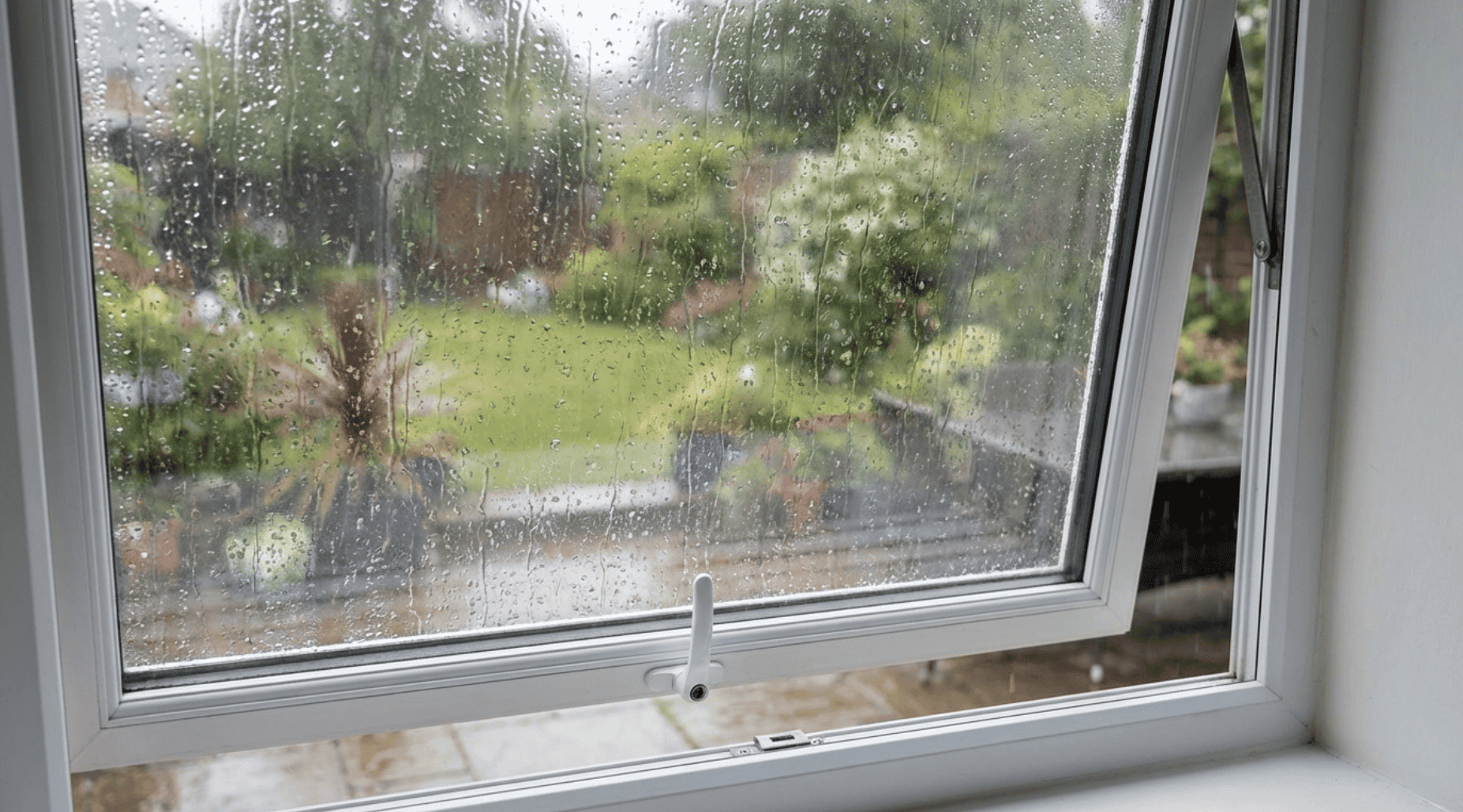
Wind-driven rain is the big one.
It’s not just that it rains more in Scotland (though it does), it’s that the rain arrives sideways, pushed by winds that regularly hit 50-60mph on exposed sites. That puts enormous pressure on window seals and frame joints, and any weakness in the seal lets moisture into the wall cavity or, worse, into your home.
Then there’s the wind itself. Scotland is windier than almost anywhere else in Western Europe, and windows need to resist both the direct pressure and the noise that comes with it.
A window that performs fine in a sheltered English suburb can rattle and whistle in a tenement on a hill in Edinburgh.
Temperature swings
Temperature swings are another factor.
A window frame in Glasgow might see 25°C on a July afternoon and -8°C on a January night. That range causes materials to expand and contract repeatedly, and over years of cycling, poorly made frames develop gaps.
Condensation pressure
Condensation forms when warm indoor air meets a cold glass pane, and if your glazing can’t insulate well enough to keep the inner pane above the dew point, you’ll see water running down the glass every morning from October to March.
uPVC windows: the energy-efficient choice for Scottish homes
uPVC is the most popular frame material in Scotland, and there are good practical reasons for that.
A modern uPVC frame is reinforced with galvanised steel internally, which gives it the structural strength to resist high wind loads without warping or bowing. The material itself doesn’t absorb moisture, so it won’t swell, rot, or need repainting, all of which matter in a country where rain is the default weather.

From an energy efficiency standpoint, uPVC frames perform well because the material is a poor conductor of heat. That’s exactly what you want in a window frame: something that doesn’t transfer warmth from inside your home to the cold air outside. Multi-chambered uPVC profiles (where the frame is divided into several sealed air pockets) improve thermal performance further by trapping layers of still air within the frame itself.
Our Advanced 70+ uPVC window system achieves a frame U-value of 0.8 W/m²K, which is among the lowest on the market.
In plain terms, that means very little heat escapes through the frame. Combined with double or triple glazing, you get a window that keeps your home noticeably warmer and reduces your energy bills through lower heat loss.
Modern uPVC window frames are also more environmentally friendly.
Our frames contain over 80% recycled or renewable material, so choosing energy-efficient windows in uPVC doesn’t mean compromising on sustainability. And because the material handles Scotland’s salt-laden coastal air without corroding, it’s a sensible choice for homeowners near the coast in places like Fife, Ayrshire, or the East Neuk.
Aluminium frames and where they work best
Aluminium windows have slim sightlines and contemporary look.
The historical knock against aluminium was that it conducted heat too readily, making it a poor insulator. That’s largely been solved by thermal break technology, where a strip of insulating material (usually polyamide) is built into the window frame to interrupt the flow of heat from inside to outside.
A good thermally broken aluminium window can achieve U-values comparable to uPVC. But the very best uPVC window frames still edge ahead on pure thermal performance.
Aluminium doesn’t rust, but it can corrode in highly acidic or salty environments if the powder coating is damaged.
For most Scottish locations, the standard marine-grade powder coat finish holds up without too many issues. But it is always worth inspecting the finish occasionally if you live right on the coast, though.
Timber windows in Scotland
Timber windows have a long history in Scottish architecture, and for properties in conservation areas or listed buildings, they may be the only option that planning authorities will approve.
Timber is a natural insulator with thermal properties that sit somewhere between uPVC and aluminium, and timber windows can look beautiful when properly maintained.
For homeowners who want to keep your home’s period character while improving energy consumption, timber remains a valid option.
The biggest draw back is keeping it “properly maintained”.
Timber frames need regular repainting or re-staining (typically every three to five years) to protect them from Scotland’s moisture-heavy climate.
If the paint cracks and water gets into the wood, you’ll see swelling, warping, and eventually rot. For homeowners who enjoy maintenance, timber works well. For everyone else, it can become an expensive headache over the life of the window.
Engineered timber and composite timber-aluminium systems have improved things considerably.
These use laminated wood that resists moisture better than solid timber, sometimes with an aluminium rain screen on the outside to handle the weather while the timber faces inward for aesthetics. They cost more than straight uPVC, but they combine the look of real wood with significantly less ongoing effort.
Double or triple glazing for energy efficiency in Scotland
The glass matters as much as the frame, and for a Scottish home, the question of double versus triple glazing comes up on almost every job we quote.
Double glazed windows
Double glazed windows use two panes of glass with a sealed gap between them, usually filled with argon gas, which insulates better than air.
A standard double glazed unit achieves a centre-pane U-value of around 1.1 W/m²K, which is a significant improvement over old single glazing and meets current building regulations comfortably.
Triple glazed window
Triple glazed windows add a third pane and a second gas-filled cavity.
That drops the centre-pane U-value to around 0.6 W/m²K, roughly halving the heat loss compared to double glazing. In Scotland’s cold winters, that difference translates into real energy savings, a warmer room closer to the window, and less condensation on the glass.
Triple glazed windows also reduce external noise more effectively, which matters if you live near a busy road, a flight path, or in a city centre flat where street noise is a constant.
Both double and triple glazed units offer improved security too, because modern glazing is far harder to break than single-pane glass. The extra pane adds weight, so the frame and hardware need to be built to handle it, but any reputable installer will spec accordingly.

Combination approach
For most Scottish homeowners, our recommendation is triple glazed windows on north-facing and exposed elevations (where heat loss is greatest and weather impact is highest) and double glazing on sheltered, south-facing walls where solar gain helps heat the room naturally.
That approach balances overall energy efficiency with cost, and it’s the choice of windows we recommend most often for homes in Glasgow, Edinburgh, and across Central Scotland.
Which window styles suit Scotland best? Casement, sash, and tilt and turn
Choosing the right windows is partly about looks and partly about function. Different window styles perform differently in terms of weather resistance, ventilation, and thermal efficiency, so the style you pick should reflect both the character of your home and how it handles Scotland’s weather.
Casement windows
These are the most common style in Scottish homes.
Casement windows hinge on one side and swing outward, which creates a tight compression seal when closed. That seal is better at resisting wind-driven rain than many other opening mechanisms, which is why casement windows are a reliable default for exposed Scottish sites.
Tilt and turn windows
Tilt and turn windows tilt inward at the top for secure background ventilation, or turn inward fully like a door for cleaning and maximum airflow. The tilt position lets you ventilate rooms without worrying about rain blowing in, which is particularly useful in Scotland where you might want fresh air even when it’s drizzling outside.
Sliding sash windows
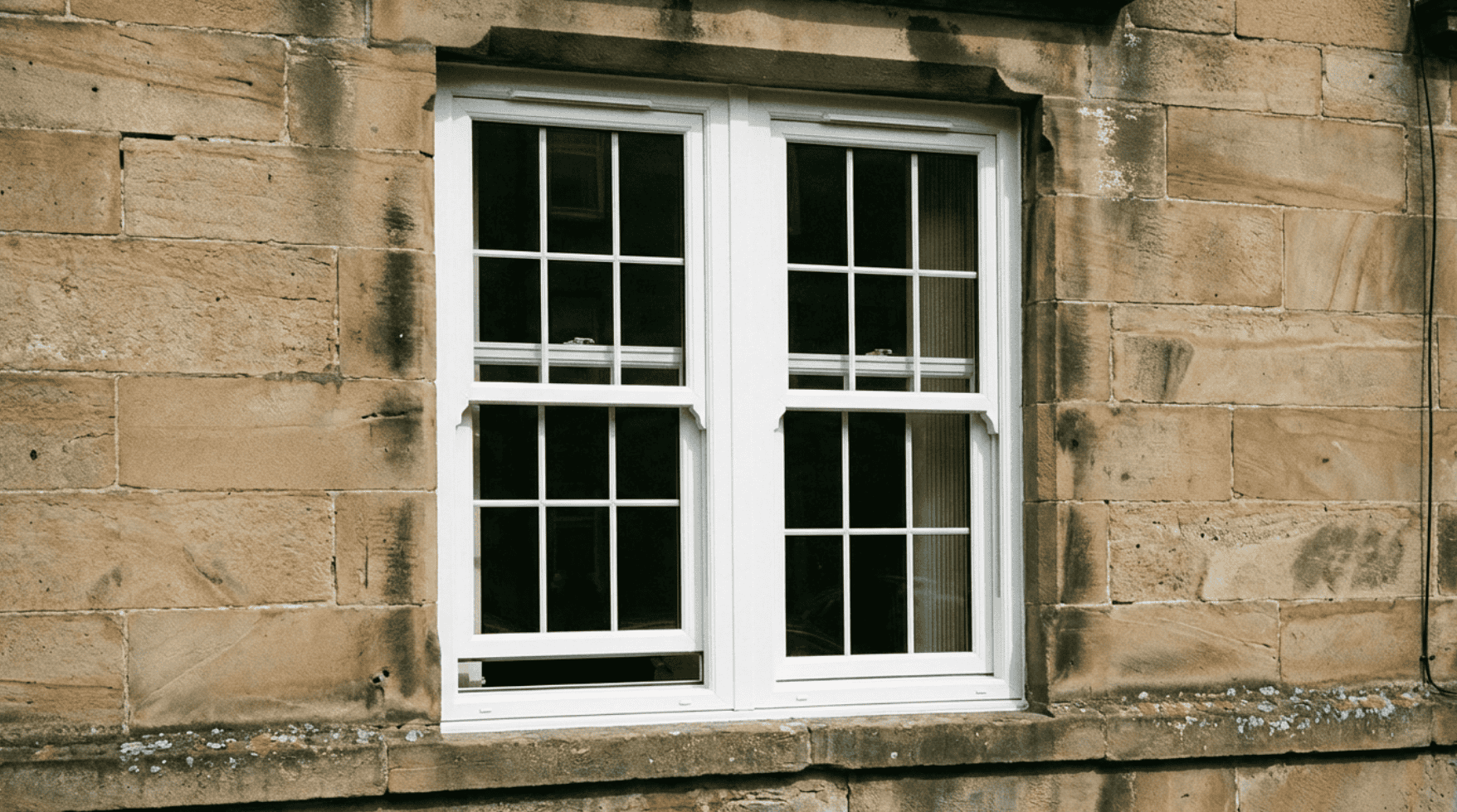
Sliding sash windows are traditional in Scottish tenements, Georgian townhouses, and Victorian villas. Modern uPVC sliding sash windows replicate the look of the originals while providing dramatically better insulation and weather tightness.
These windows can be designed to match the aesthetic of period properties if you live in a conservation area in Edinburgh, Glasgow, or any of Scotland’s historic towns, sash windows may be required to maintain the character of the streetscape.
Having new windows installed in a listed property requires care, but modern sash designs offer the energy rating and performance that older wooden frames simply can’t match.
How thermally efficient windows reduce heat loss and heating costs
A huge percentage of a home’s heat escapes through the windows.
In a poorly insulated Scottish home with old single-glazed or early double-glazed windows, that figure can be even higher. Replacing those windows with modern, thermally efficient units reduces your energy consumption directly because your boiler or heat pump doesn’t need to work as hard to maintain the same temperature.
The energy rating system for windows runs from A++ (best) down to E (worst).
All our energy-efficient windows are rated A or above, which means they meet the highest standards for thermal performance. Moving to triple glazing increases that saving further, especially in older properties where the walls and roof are also draughty.
Beyond the energy savings, there’s a comfort benefit that doesn’t show up on a bill.
Cold spots near windows disappear. You can sit next to a window in January without feeling a chill radiating off the glass. Rooms feel evenly heated rather than warm in the middle and cold at the edges.
That improvement in daily comfort is worth just as much as the money you save.
Choosing a window installer in Glasgow and across Scotland with The Advanced Group
The best windows in the world won’t perform properly if they’re fitted badly. A window that isn’t square in the opening, or where the foam and sealant aren’t applied correctly, will let in draughts and water regardless of what the manufacturer’s spec sheet says.
Here at The Advanced Group, we’ve been fitting windows and doors across Scotland for over 38 years. We have perfected the process over the years, and know exactly how to fit a window. Every installation comes with a 15-year guarantee so you can feel confident in your investement.
If you’re looking for replacement windows in Glasgow or anywhere in Scotland, call our friendly team today on 01355 271 223 (Glasgow) or 0131 370 0444 (Edinburgh) and we’ll arrange a free home survey to talk through your options.
