


When you decide to replace your windows, the focus tends to land on the new ones. And rightly so. Which frame material, glazing type and colour are all important decisions to make.
But there’s a question that most homeowners forget to ask until the fitters are standing in the living room with a crowbar. What happens to the old windows once they’ve been taken out?
Whether you’re replacing draughty sash windows in or swapping single glazing for modern double glazed windows, the old units have to go somewhere.
And where they end up depends on your installer, the materials involved, and how much effort goes into separating the recyclable parts from the waste.
What Happens During Window Replacement and Removal – By Double Glazing Dundee Experts
Before new windows go in, the old ones need to come out.
Before any window comes out, whether it is a bay, bow or sash, a good installer will protect your floors, carpets, and furniture with dust sheets.
Removal generates real debris. Plaster dust, old sealant, frame fragments, and occasionally loose wall material around the fixings.
The removal process itself is fairly quick.
The glass panes are taken out first (carefully, since old glass can shatter unpredictably). Then the window frame is cut or levered away from the opening.
Old cills are removed or trimmed back to make way for the new window, and any damaged plaster or brickwork around the opening is made good before the replacement window is fitted.
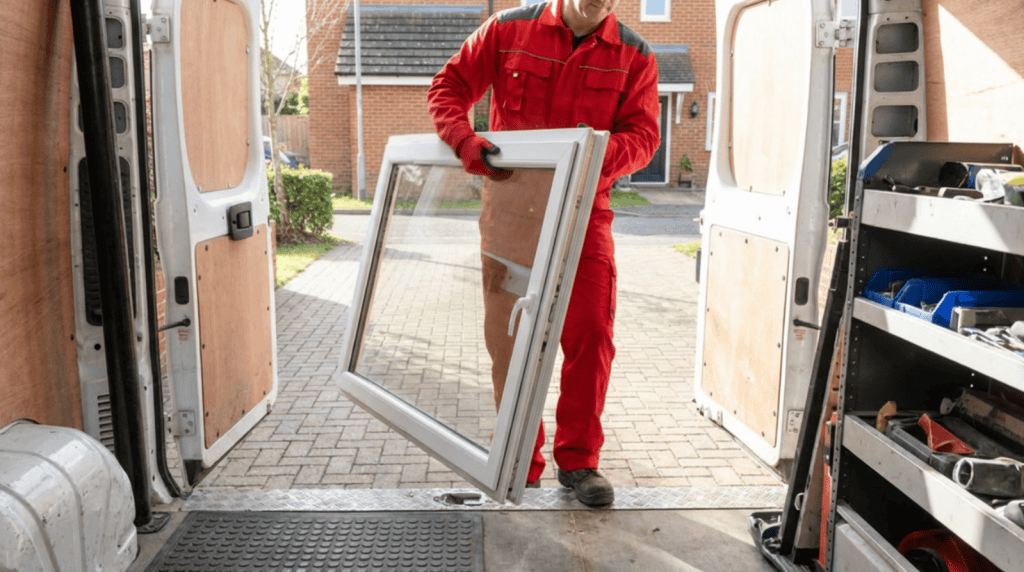
Most installers will carry the old windows away as part of the job, loading them into a van or skip on site.
Some companies charge separately for disposal while others include it in the installation price, so it’s worth checking this before you sign the quote.
How Old Glazed Windows and Doors Get Recycled
The answer depends on what the old windows are made from.
Different materials go through different recycling processes, and some are easier to recycle than others.
uPVC Windows
uPVC windows are fully recyclable.
The frames are shredded, cleaned, and the uPVC material is separated from metal reinforcements and rubber seals. The recycled uPVC can then be used to manufacture new window frames, drainage pipes, or other plastic products.
A single uPVC window frame can be recycled up to ten times without losing its structural properties. The material from your old windows might end up in someone else’s new ones.
In the UK, several specialist recycling facilities handle uPVC specifically. Our own uPVC supplier operates a recycling programme through Camden Group in Ireland, where old frames are processed and the material is reintroduced into the manufacturing cycle.
Around 80% of the material in our Advanced 70+ window system is recycled or renewable, so the lifecycle of a uPVC window is far more circular than most homeowners realise.
Timber Windows
Old timber window frames can be recycled, but the process is more complicated.
Wood windows that are untreated or lightly painted can be chipped and used for biomass fuel, animal bedding, or composite board production.
However, heavily painted or treated timber (common in older sash windows) may contain lead-based paint or preservative chemicals. This limits how the wood can be repurposed.
In those cases, the timber is often sent to specialist waste-to-energy facilities rather than being recycled into new products.
Some original windows from period properties, particularly Victorian and Edwardian sash windows that are 100 years old or more, have value as architectural salvage.
If your old frames are solid hardwood in reasonable condition, it’s worth asking a local salvage yard whether they’d be interested before letting the installer take them away. Wood windows with historical character can be restored and reused in other renovation projects.
Aluminium Windows
Aluminium is one of the most recyclable materials on the planet.
Old aluminium window frames are collected, sorted, and melted down to produce new aluminium products with virtually no loss of quality.
The energy required to recycle aluminium is around 5% of what’s needed to produce it from raw ore, so recycling old aluminium windows has a genuinely positive environmental impact.
Glass
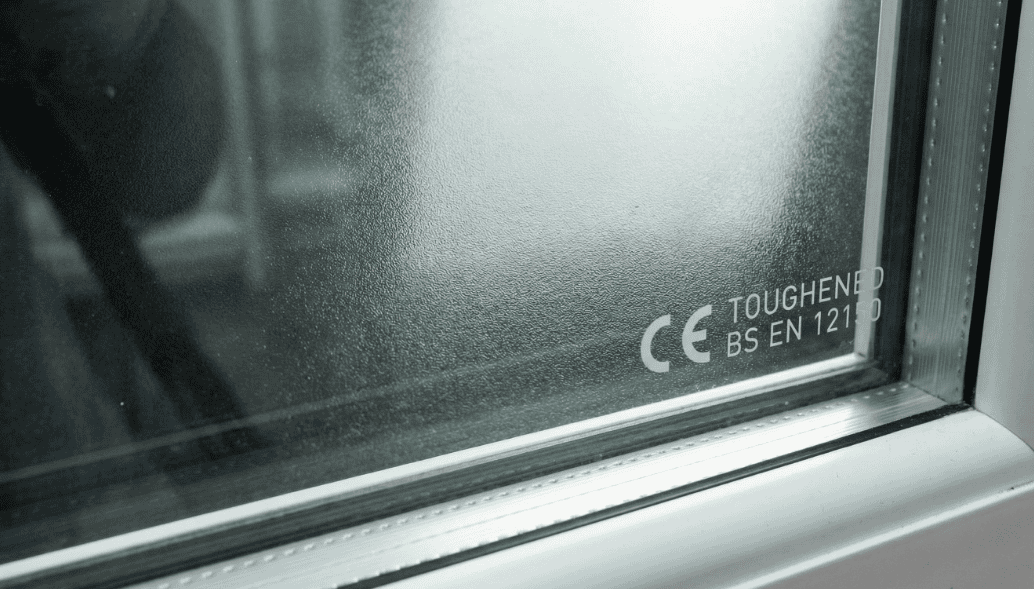
The glass from old double glazed windows and single-pane windows can be recycled, but it doesn’t go into the same stream as bottle glass.
Window glass contains different additives and coatings (particularly low-E coatings on modern sealed units), so it needs to be processed separately. Recycled window glass is typically used in fibreglass insulation, road aggregate, or new flat glass production.
Sealed double glazing units that have failed (misted up between the panes, which is a common sign it’s time to replace) are broken apart so the glass, spacer bars, and gas can be separated and recycled individually. The entire unit doesn’t go to landfill as a single lump, or at least it shouldn’t if your installer is handling disposal responsibly.
What Your Installer Does With Old Windows
This varies more than you might expect.
Some window companies operate their own recycling programmes and can tell you exactly what percentage of removed materials they recycle. Others use general waste contractors who may or may not separate recyclable materials from landfill waste.
When you’re choosing a window installation company, ask what they do with old windows away from your property.
A company that takes recycling seriously will be able to answer this question clearly. If they can’t, or if they seem vague about it, that tells you something about how they operate.
The Advanced Group works with licensed waste carriers who separate uPVC, aluminium, timber, and glass for recycling. As part of our commitment to sustainability, we aim to divert as much material as possible from landfill. It’s part of how we operate, not an afterthought.
Can You Reuse or Repurpose Old Windows?
If you’re the hands-on type, there are a few things you can do with old windows before they go to the recycler.
Old sash windows and casement frames can be repurposed as cold frames for garden plants, greenhouse panels, or decorative features in a shed or outbuilding. Solid timber frames with interesting profiles sometimes find a second life as picture frames, mirrors, or architectural wall features.
If you want to keep any of the old units, let your installer know before work starts. Most companies will set aside whatever you want to keep, but they need to know in advance rather than fishing frames out of a skip at the end of the day.
That said, most old windows that are draughty enough to warrant replacement aren’t in good enough condition to reuse as functioning windows elsewhere.
If the seals have failed, the frames are rotten, or the glass is single glazing with no thermal performance, the most responsible thing is to recycle the materials rather than trying to give them a second life as windows.
Should You Repair Sash Windows or Replace Your Windows With New Double Glazing?
This is a question that comes up regularly with owners of older properties.
Original timber sash windows can be over 100 years old and still structurally sound, particularly if the wood is hardwood rather than softwood.
In some cases, it makes more sense to restore and draught-proof the original windows rather than replace them entirely, especially on listed buildings or in conservation areas where planning restrictions apply.
But restoration has limits.
If the timber is rotten through, if the pulleys and cords are beyond repair, or if the windows are so poorly insulated that your home’s energy efficiency is suffering, then replacement window units are the more practical option.
Modern uPVC or timber sash windows can replicate the look of the originals while delivering far better thermal performance and security. The new window will be thermally efficient from day one, and it won’t need the ongoing repaint and maintenance cycle that old timber sash windows demand.
When Is It Time to Replace Windows for Better Energy Efficiency?
If you’re reading this, you might still be deciding whether your existing windows actually need replacing.
Well-maintained uPVC windows can last 20 to 30 years, while timber windows can last much longer if properly maintained. But even windows that look fine from the outside may be performing poorly thermally if the glazing type or seal technology is outdated.
Here are the signs that it’s time to replace rather than repair.
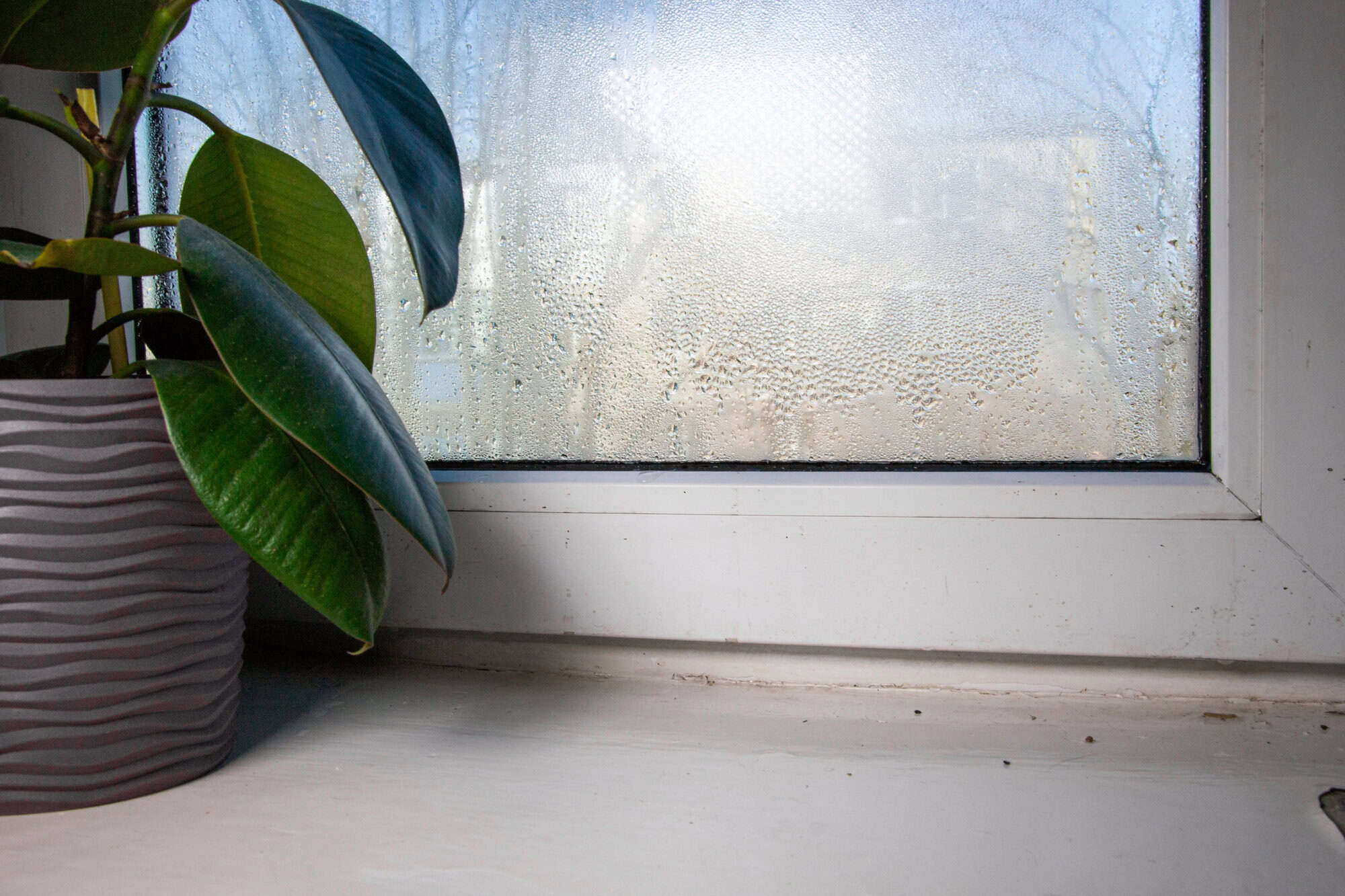
Condensation Between the Panes
If moisture appears between the glass in a double glazed window, the seal has failed and the unit is no longer well insulated. The entire unit needs replacing, though sometimes just the glass can be swapped without changing the frame.
Draughts Around the Frame
If you can feel cold air coming through or around the window even when it’s closed, the seals, hinges, or frame itself may have deteriorated.
Windows that are 20 years old or more often develop draught problems as the seals and gaskets age.
Difficulty Opening or Closing
Windows might stick, jam, or refuse to lock properly as frames warp or mechanisms wear out. This is a security concern as well as a comfort one.
Visible Damage
Rotten timber frames, cracked or flaking uPVC, rust on metal fittings, or cracked glass all indicate that repair may cost more than replacement.
High Heating Bills
Poorly insulated windows are responsible for a significant proportion of heat loss in most homes.
If your windows are single glazing or early double glazing from the 1990s, upgrading to modern energy-efficient double or triple glazing can make a measurable difference to your home’s energy efficiency and your heating bills.
New Window Installation With The Advanced Group
We’ve been helping homeowners replace windows across Scotland for over 37 years.
The responsible disposal of old windows and doors has always been part of how we work. Whether you’re replacing old sash windows on a period property or upgrading casement windows on a modern home, we handle the entire process from survey to window installation to disposal. Our replacement windows are energy efficient and built to last.
If it’s time to replace the windows in your home, book a free home survey and we’ll assess your existing windows, recommend the right upgrade, and give you a clear price with no pressure. Simply, call our friendly team today and we will happily guide you through your options.
