



If you’re replacing existing windows or thinking about adding something new to the front of your house, understanding the difference between bay and bow windows will help you make a choice you’re happy with for years to come.
What Is a Bay Window? – By Double Glazing Dundee Professionals
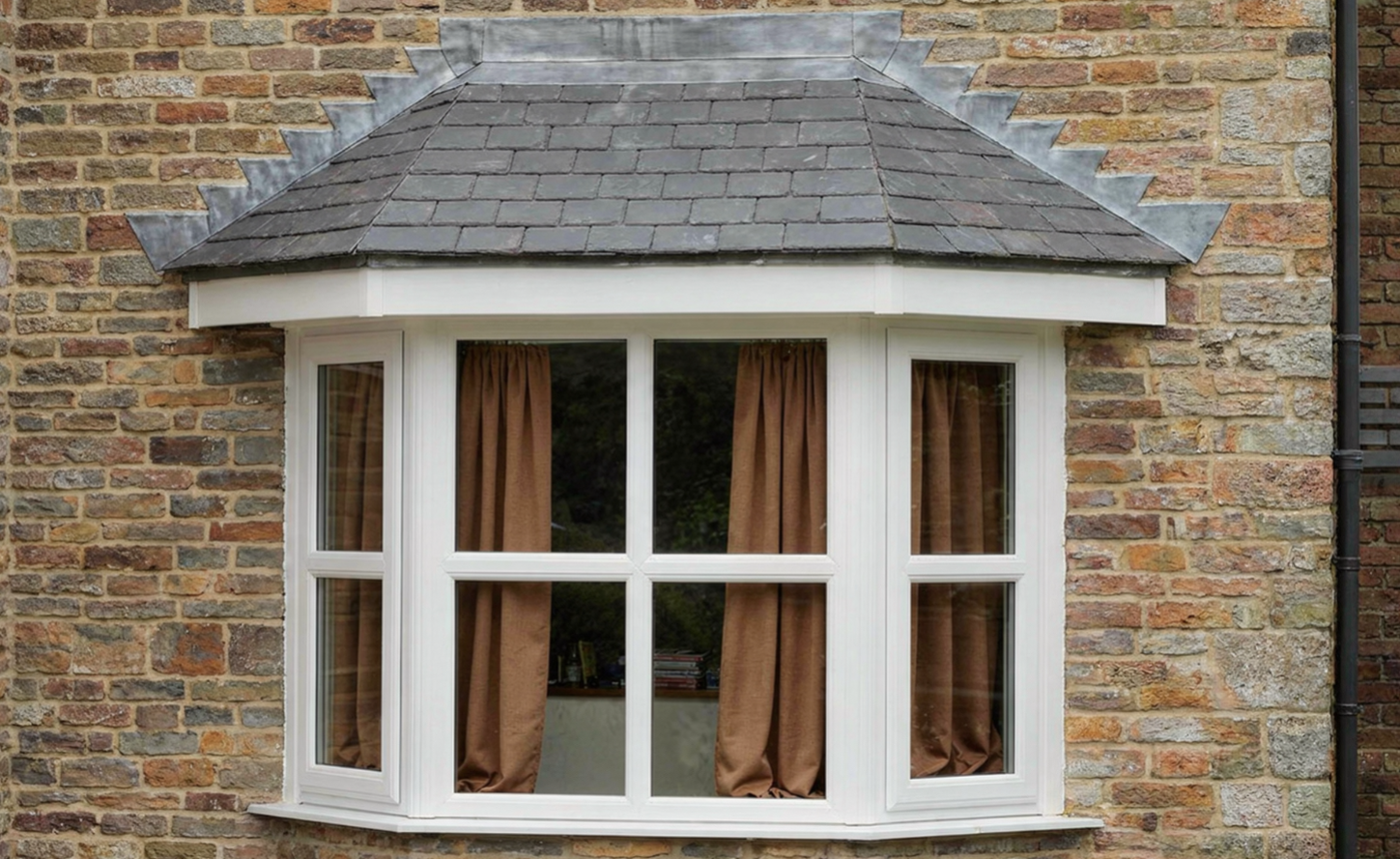
A bay window consists of three window panes which angle outward from the wall, creating a flat-fronted projection.
The centre window is usually a large fixed picture window, with two narrower side panes set at an angular position (typically 30 or 45 degrees). Those side panes can be casement windows that open for ventilation, or fixed panels depending on the window design.
Bay windows originated in the Victorian era and you’ll see bay windows often on sandstone tenements across Glasgow and Edinburgh, as well as on semi-detached houses from the 1930s onward. They tend to be wider than they are deep, and bay windows typically have a defined angular shape rather than a soft curve.
Because a bay window extends out from the wall, it creates usable floor space inside the room. Many homeowners add a window seat, a reading nook, or simply enjoy the extra room that a flat window would not provide.
What Is a Bow Window?
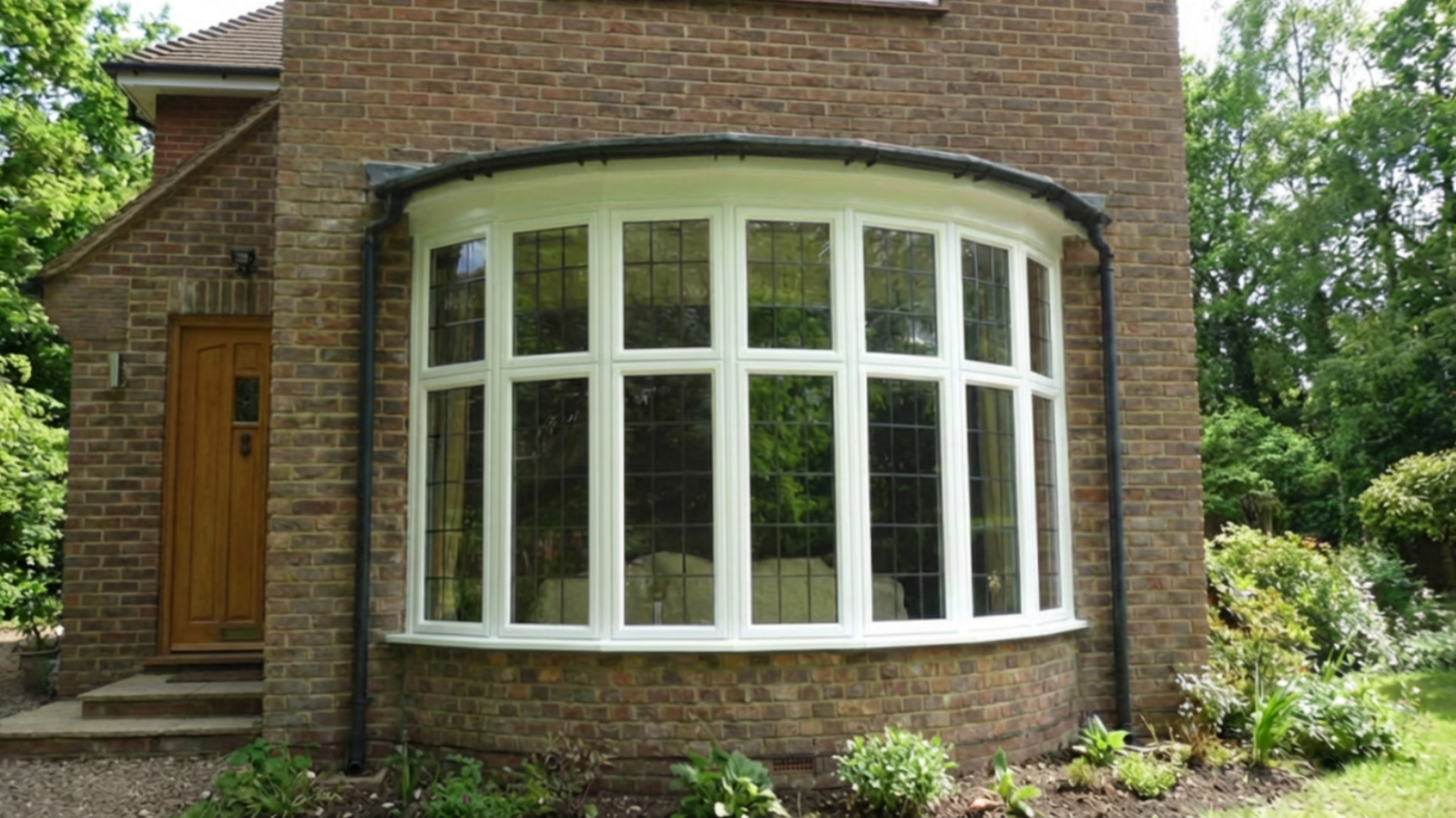
A bow window is made up of four or five identical windows (sometimes six) arranged in a gentle curve.
Unlike the angular projection of a bay, bow windows come together in a smooth arc that wraps around the opening. Each of the four to six equally-sized window panels sits at a slightly different angle, and the effect is a rounded shape as the window curves outward from the wall.
Bow windows are made from the same materials as bay windows (uPVC, aluminium, or timber), and the design of bow windows means they tend to project further from the building. This creates a wider panoramic view and lets natural light pour in from a broader range of angles, since bow windows use four or more panes rather than three.
Where bay windows feel structured and defined, bow windows feature a softer, more elegant look. You’ll see bow window styles on newer builds and on properties where homeowners want to add a sense of grandeur without the sharper lines of a traditional bay.
Key Differences Between Bay and Bow Windows
The differences between bay windows and bow windows come down to shape, size, and the kind of space they create inside your home. These are key considerations when deciding to buy new double glazed windows.
Shape and Structure
Bay windows actually have a flat front panel with angled sides, which gives them their distinctive geometric look. A bay window would typically have three window panes which angle outward at set degrees.
Bow windows, on the other hand, form a continuous curve with no flat sections at all. The window panels in a bow window sit side by side in an arc, and the overall shape is rounded rather than angular.
Number of Panes
A bay window usually has three panes. This consists of one large centre pane flanked by two smaller side panes.
Bow windows generally have four, five, or six equally-sized window panels. This difference in the number of panes is often the easiest way to tell bay and bow windows apart from the street.
Floor Space and Interior Space
Both bay and bow windows extend outward from the wall of your home, but since bay windows project at sharper angles, they tend to create a more defined interior alcove. Bow windows are often wider (sometimes as wide as bow windows can stretch to accommodate five or six panes), and the curved shape creates a shallower but broader window and interior space.
Whether a bay or bow window would suit your room depends on the wall width you’re working with and how much depth you can afford to project outward.
Natural Light
Bow windows let in light from more directions because they have more panes spread across a wider curve. Bay windows offer strong light from three directions, and the larger centre pane gives you a clear, uninterrupted view straight ahead.
If light is your priority and you have the wall space, bow windows work well in living rooms and bedrooms where you want the room to feel bright throughout the day.
Cost
Bay windows are considered the more affordable option between the two. Bow windows are typically more expensive because they require more window units, more complex framing, and a curved window header to support the structure.
The difference in budget between a bay and a bow window depends on the number of panes, the type of window (uPVC bay windows cost less than timber or aluminium), and whether you’re fitting into an existing window opening or creating a new one.
Benefits of Bay Windows
Bay windows actually add both value to a property and character to a room. The angular shape suits period properties, and a well-installed uPVC bay window can make all the difference to the look of a home’s front elevation.
Because bay windows require less wall width than bow windows, they’re a practical choice for terraced houses and semis where the frontage is narrower. They also work well where you want a defined space inside, like a breakfast nook in a kitchen or a desk area in a front bedroom.
And since bay windows are easily the more common type of window in Scottish housing stock, window replacement is straightforward because the structural opening already exists.
Benefits of Bow Windows
Bow windows add value to a property in a different way.
The curved profile gives a home a distinctive look that stands out on a street of standard windows, and the wider span means more glass, more light, and a greater sense of openness inside the room.
If you’re looking to convert a flat window into a bow window, the results can be dramatic. A flat window would leave the wall looking uniform, while bow windows create depth and architectural interest where there was none before. Bow windows also offer more flexibility with ventilation, because you can choose which of the four or five panels open and which stay fixed.
Types of Bay Windows
There are a few variations within the bay window family that are worth knowing about if you’re comparing options.
Angled Bay Windows
This is the most common style of your home’s front window in Scotland, with the side panes set at 30 or 45 degrees to the flat centre panel.
Box Bay
Also known as a square bay, it has side panes set at 90 degrees, creating a more boxy projection.
Oriel Bay Windows
This is a type of bay window that sit above ground level, supported by brackets or corbels rather than a foundation. You’ll see bay windows like these on older stone-built properties and listed buildings.

Both sash and casement windows can be used in bay window configurations. Sash windows in a bay are a traditional Scottish look, while modern uPVC casement windows offer better energy efficiency and lower maintenance.
Do You Need Planning Permission?
This is a question we hear often, and the answer depends on the specifics of your property and the type of work involved.
If you’re replacing an existing bay or bow window with a new window of the same size and projection, you normally won’t need planning permission in Scotland. The work falls under permitted development.
If you’re adding a bay or bow window where there wasn’t one before (changing a flat window into a bow window, for example), you may need planning permission because you’re altering the building’s footprint and appearance.
Properties in conservation areas, listed buildings, and flats all have additional restrictions.
Our team can advise on planning permission requirements for your specific project during a free home survey.
Choosing the Right Windows for Your Home with The Advanced Group
Choosing the right windows comes down to the style of your home, the width of the wall opening, your budget, and what you want the window to do for the room.
Bay windows suit homes where you want a defined alcove, where the wall space is moderate, and where you’d like to keep costs manageable.
Bay windows usually work particularly well on period properties where the angular bay window design matches the existing architecture, and they’re the natural choice for window replacement on homes that already have a bay.
Bow windows suit wider openings and homes where you want maximum light and a softer, more rounded profile. They make a strong statement on detached properties and new builds, and the extra panes mean you can choose high-quality window glass in double or triple glazing for excellent energy efficiency.
Both bay and bow windows add value to a property and windows make a real difference to the look of a room from the inside and the street from the outside. Like bay windows, bow windows pair well with sash or casement openings depending on the look you prefer.
If you’re not sure whether a bay window or a bow window would be the better fit, The Advanced Group will be more than happy to talk it through.
Our trusted team installs both types of windows across Central Scotland. And with U-values of just 0.8 W/m2K and 15-year guarantees, you can feel confident you are in capable hands. And if you need to buy a new external door? We can help with that too!
Contact our team today to learn more information.
