


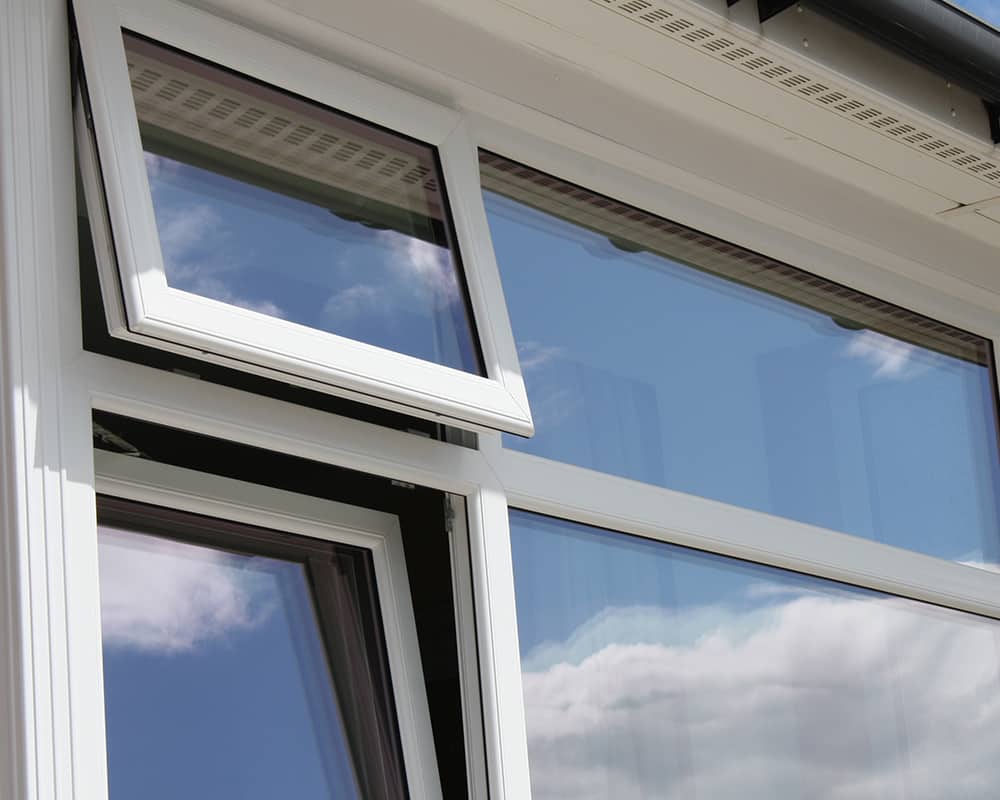
Why Replace Your Windows? – Advice From Double Glazing Dundee Experts
If your existing windows are more than 15 to 20 years old, they’re almost certainly underperforming compared to what’s available now.
Modern uPVC windows with double or triple glazing can reduce heat loss by up to 50% compared to single glazed windows, and that reduction shows up directly on your heating bills.
Windows must also meet current building regulations when replaced, which means the new double glazed windows you install will be significantly more energy efficient than whatever they’re replacing.
Beyond energy efficiency, new windows can also help with noise reduction (particularly useful if you live near a main road or flight path), security upgrades through multi-point locking systems, and the overall look of your property.
Upgrading your windows is a home improvement that pays for itself over time through lower bills and added property value. For additional home improvements, why not consider upgrading to a new door.

Window Frame Materials
The window material you choose affects how your windows look, how long they last, how much maintenance they need, and what they cost.
There are three main options for UK homeowners, and each has clear strengths.
uPVC Windows
uPVC (unplasticised polyvinyl chloride) is by far the most common choice for UK homeowners, and windows with uPVC frames account for around 85% of all replacement windows sold in Britain.
Modern uPVC windows come in a wide range of colours and woodgrain finishes, so they’re no longer limited to plain white. You can buy uPVC windows in anthracite grey, chartwell green, cream, black, and dozens of other shades to suit the style of your home.
The main advantages of uPVC are cost, durability, and low maintenance.
A uPVC window frame won’t rot, rust, or need repainting, and it will last 20 to 30 years with nothing more than an occasional wipe down.
uPVC is also the most affordable window material, which makes it the practical choice for uk homeowners working to a budget.
Aluminium Windows
Aluminium windows have slimmer frames than uPVC, which means more glass and more natural light in each opening.
The frames are powder coated for durability and available in a range of colours that are hard to fade, chip, or peel. Aluminium is strong enough to support larger panes of glass, so it works well for bifold doors, sliding patio doors, and floor-to-ceiling glazing where you want an unobstructed view.
Aluminium costs more than uPVC but less than timber, and it lasts 30 to 45 years with minimal upkeep.
The metal frames do conduct heat more readily than uPVC, but thermal breaks built into the frame design largely solve that problem in modern units.
Timber Windows
Timber windows offer the look and feel of real wood.
Wooden windows are the traditional choice for period properties, conservation areas, and listed buildings where planning requirements may rule out other materials.
The trade-off is maintenance.
Timber windows need regular repainting or staining (typically every three to five years) to prevent rot and keep the wood protected. They’re also the most expensive option, with timber window frames costing roughly two to three times as much as equivalent uPVC frames.
In Scotland’s wet climate, particularly near the coast, timber frames deteriorate quickly. Proper and regular upkeep is more critical than it might be elsewhere.
Types of Glazing
The type of glazing you choose has a bigger effect on thermal performance and noise reduction than the frame material.
Understanding the differences will help you make the best choice for your property and budget.
Double Glazing
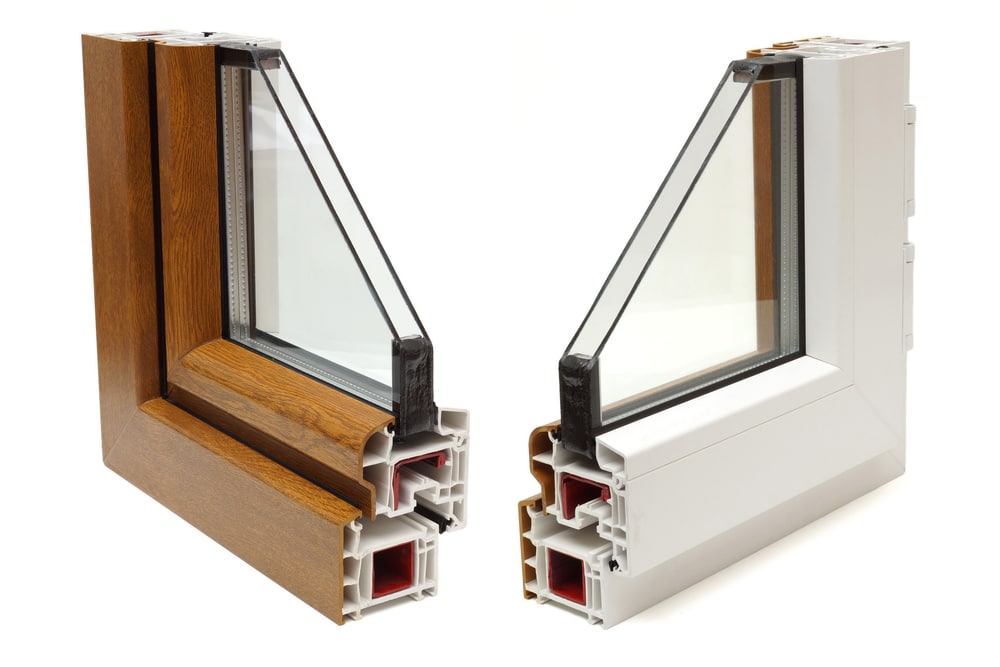
Double glazing uses two panes of glass with a gap between them, usually filled with argon gas.
The gas inside the sealed unit is a poor conductor of heat, which means it reduces heat loss between the warm interior of your home and the cold air outside.
Double glazing is one of the most cost-effective home improvements you can make, and all replacement windows in Scotland and England now need to meet minimum thermal standards under building regulations.
The gap between the panes in a modern double glazed window is typically 16mm to 20mm, and the glass units themselves often feature a low-emissivity (low-E) coating on one pane.
This coating reflects heat back into the room while still letting light through, and it reduces heat loss by a significant margin compared to uncoated glazing units.
Triple Glazing
Triple glazing adds a third pane of glass and a second gas-filled cavity, which reduces heat loss even further.
Triple glazed windows achieve U-values as low as 0.8 W/m2K (compared to around 1.2 to 1.4 for standard double glazing). That difference translates to noticeably warmer rooms and lower heating costs during Scottish winters.
Triple-glazed windows also outperform double glazing on noise reduction, because the extra pane and cavity absorb more sound before it reaches the room.
If you live on a busy street, near a railway, or under a flight path, triple glazing can make a real difference to how quiet your home feels.
The cost is more than double glazing, but many homeowners find the improved thermal performance and reduced noise well worth the investment.

Secondary Glazing
Secondary glazing involves fitting a second window panel on the inside of an existing window, rather than replacing the whole unit.
It’s commonly used on listed buildings and in conservation areas where the original windows must be preserved.
Secondary glazing won’t perform as well as a full double or triple glazed replacement, but it reduces noise and improves insulation at a lower cost.
It can be a practical option if your existing windows are in good structural condition but you want better thermal and acoustic performance without a full window replacement.
Window Styles
The window style you choose affects how the window opens, how much ventilation you get, and how the finished windows look on your property. Here are the main options to consider when choosing a window for your home.
Casement Windows
Casement are the most common window style in the UK and are the most popular choice for modern homes.
They’re hinged on one side and swing outward when the window opens, giving you full ventilation and easy cleaning access. Casement windows are often the default choice when buying new because they suit almost every type of property, from bungalows to multi-storey homes.

Sliding Sash Windows
Sliding sash windows have two panels that slide vertically past each other. They’re the traditional window style for Victorian, Georgian, and Edwardian properties, and modern uPVC or timber sliding sash windows can closely replicate the look of the originals while offering far better energy efficiency and security.
If you own a period property and want your windows to look right, sash windows are usually the answer.
Tilt and Turn Windows
Tilt and turn windows open in two ways.
Tilting inward from the top for background ventilation, or swinging fully inward from the side for cleaning and maximum airflow.
Tilt and turn windows are popular in flats and upper-floor rooms where outward-opening windows aren’t practical or permitted. They’re also easy to clean from inside, which is a genuine advantage if you live above the ground floor.

Bay Windows
Bay windows project outward from the wall of your home, creating extra floor space and letting in light from multiple angles. They come in angled configurations (typically three panels) and work well on the front elevation of houses where you want to add character and kerb appeal.
If you’re interested in how bay windows compare to bow windows, we’ve covered that in detail in a separate bay windows vs bow windows guide.
Window Energy Ratings Explained
When choosing double glazing, you’ll come across two measures of how energy efficient windows are: the Window Energy Rating (WER) and the U-value.
WER System
The WER system uses a scale from A++ (best) down to E (worst), similar to the ratings on fridges and washing machines.
An A-rated window meets a good standard, while A+ and A++ rated windows offer even better thermal performance. Windows must meet a minimum energy rating to comply with building regulations, and most good-quality new double glazed windows sit at A or above.
U-Values
U-values measure how much heat passes through the window, and a lower number means better insulation.
A single window with old glass might have a U-value of 5.0 or higher.
A modern double glazed window typically achieves 1.2 to 1.4, and triple glazed windows can reach 0.8 or lower.
Our Advanced 70+ window system achieves a U-value of just 0.8 W/m2K, which puts it among the best-performing windows available in Scotland.
Glass Types and Options
Beyond the number of panes, there are several glass types worth knowing about when you’re choosing new windows.
Low-E Glass
Low-E glass has a microscopic metallic coating that reflects heat back into the room. It’s standard on most modern glazing units and makes a noticeable difference to how warm the room stays in winter.
Toughened Glass
This glass up to five times stronger than standard glass and shatters into small, relatively harmless pieces if broken. Building regulations require it in certain locations including doors, windows near floor level, and glass beside staircases.
Laminated Glass
Laminated glass has a plastic interlayer bonded between two panes that holds the glass inside the frame if it breaks. It’s used for security glazing and also reduces noise, so it’s worth considering for ground-floor windows or properties in noisier areas.

Decorative Glass
This is available in patterned, frosted, and textured finishes for bathrooms, cloakrooms, and any room where you want light without a clear view in.
Glazing bars can be added to the inside or outside of double glazed units to create a traditional panelled look without affecting thermal performance.
Why You Should Choose The Advanced Group for Your Windows
Our team at The Advanced Group has been helping homeowners across Scotland choose and install windows for over 37 years.
During these years, we have fully streamlined our process to give our customers the best possible service that the industry can offer. Our fully trained team are experts at installation and we back the products we supply. That’s why we provide 15-year guarantees on every installation, so you can feel confident in your investment.
But our care doesn’t stop there. We also look after your old windows and send them to the appropriate facility for responsible recycling.
If you’d like expert advice on which windows suit your home and budget, you can book a free home survey and we’ll talk you through the glazing options in person.
