


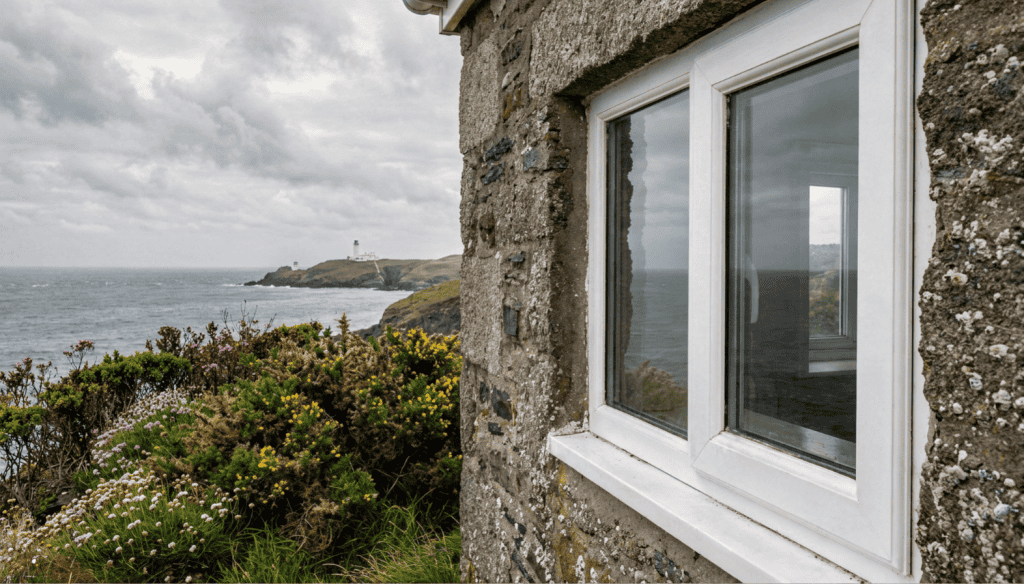
Scotland is known for it’s salty sea air.
The salt, high winds, driving rain, and humidity work together to corrode metal, degrade seals, and age window frames faster than the same products would last twenty miles inland.
If you live by the coast, choosing the right windows and doors for your home means thinking about more than just looks and energy efficiency.
The window frame material, the hardware, the glazing seals, and the coating all need to stand up to a harsh coastal environment that tests everything it touches.
This guide covers the best window materials for coastal homes, how to protect your windows from salt damage, and what to look for when you’re replacing coastal windows in Scotland.
What Salt Air Does to Windows and Doors – By Double Glazing Professionals
Salt-laden air carries microscopic salt crystals that settle on every external surface of your home.
When moisture combines with those salt deposits, the result is a corrosive film that attacks metal components, degrades rubber seals, and leaves a white residue on glass and frames.
Over months and years, this accelerates wear on hinges, handles, locking mechanisms, and any exposed metal within the window and door system.
The damage is cumulative and sometimes only take a few years to show.
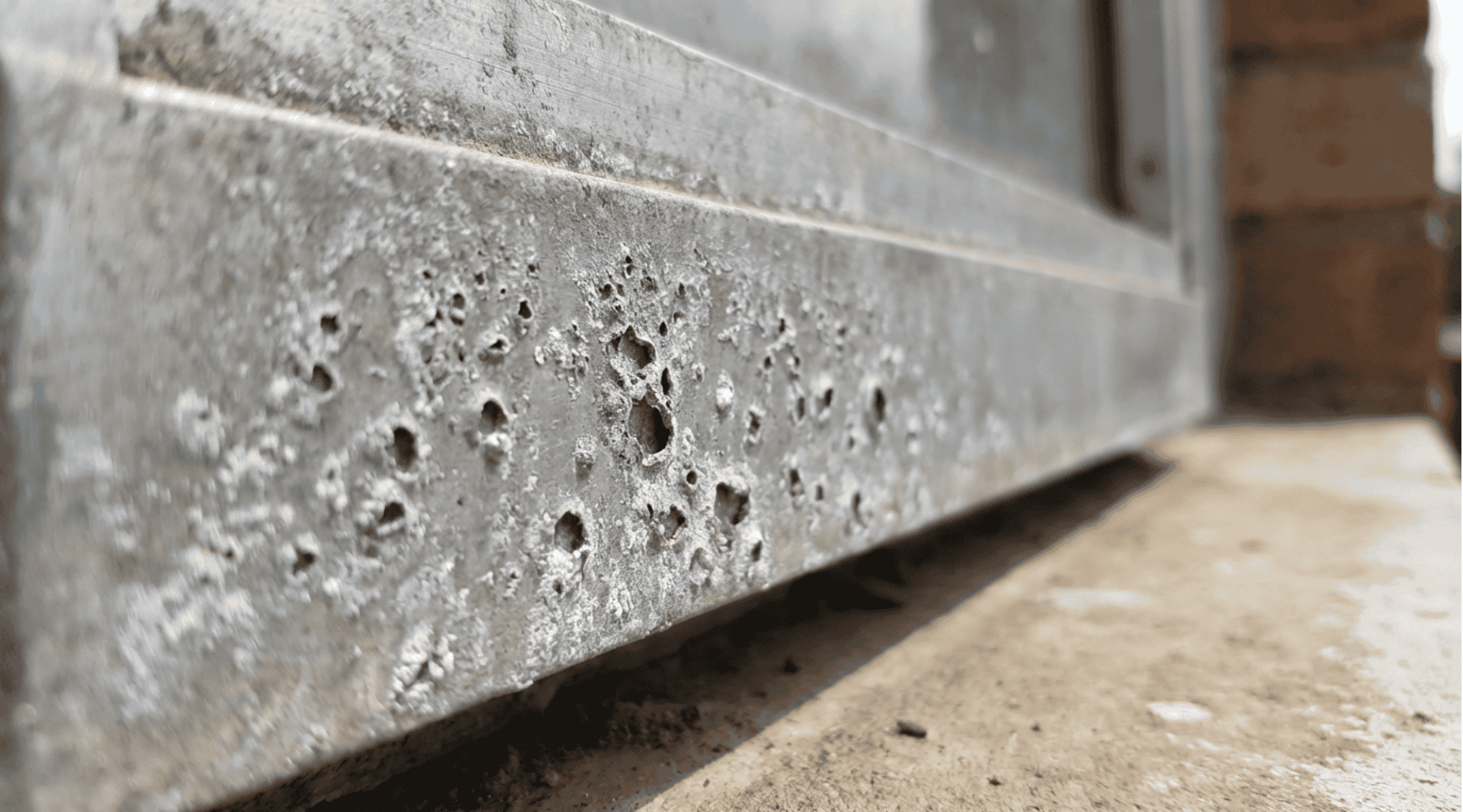
Corrosion on hinges causes stiffness and eventually failure. Degraded seals let draughts and moisture in. Aluminium frames without proper protection can develop surface pitting. Timber frames absorb moisture through any crack in the paint and start to rot from the inside out.
Coastal properties also face higher wind loads than sheltered inland sites.
Scotland’s west coast in particular sees sustained wind speeds that put considerable stress on window frames, glazing, and fixings. Windows designed for coastal areas need to handle salt air, humidity, and the physical force of strong winds and driving rain hitting the glass face-on.
uPVC, Aluminium, and Timber: Window Materials for Coastal Homes
The frame material you choose has the biggest influence on how well your windows cope with a coastal environment.
Each option handles salt air differently, and the right choice for coastal homes depends on balancing durability, maintenance, appearance, and the unique challenges of coastal living.
uPVC Window Frames: The Best Choice for Coastal Properties
uPVC is widely regarded as the best option for coastal properties because the frame material itself is inherently resistant to salt air and corrosion.
Unlike metal or timber, uPVC doesn’t corrode, doesn’t rot, and doesn’t need repainting.
Salt deposits sit on the surface rather than attacking the material underneath, and they wash off with clean water and a cloth.
Modern uPVC windows are highly durable and resistant to UV degradation, so they won’t discolour or become brittle over time even in exposed coastal locations.
The internal reinforcement in quality uPVC frames is galvanised steel, which provides structural strength while being protected from salt air by the uPVC outer shell.
This combination makes uPVC windows the practical choice for coastal homes across Scotland, from fishing villages on the Fife coast to exposed properties on the west coast and the islands.
We supply a range of uPVC windows in styles including casement windows, sash windows, tilt-and-turn, and top-hung configurations.
All our frames are available in a wide range of colours including woodgrain finishes, so you don’t have to compromise on appearance to get a frame that can withstand salt spray and salty air year after year.

Timber Frames for Period Properties
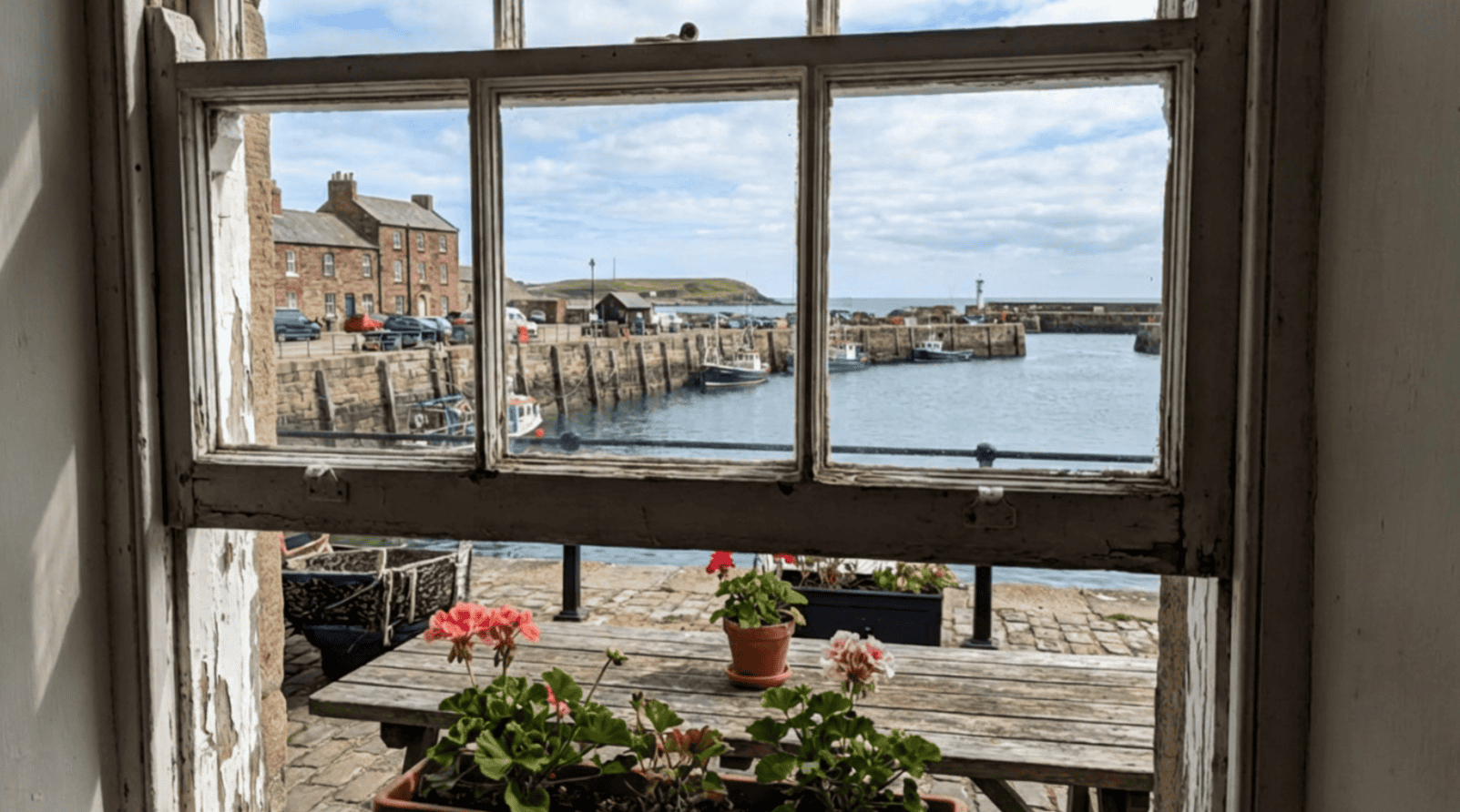
Timber window frames suit many coastal properties from a design perspective, particularly older stone-built homes, fisherman’s cottages, and listed buildings where planning requirements may restrict the use of uPVC or aluminium.
Hardwood species like accoya, oak, and sapele offer natural resistance to moisture and can perform well in coastal areas if properly maintained.
The challenge is that “properly maintained” means a lot more work on the coast than it does inland.
Timber frames in a harsh coastal environment need repainting or re-staining every two to three years (compared to every five years inland) because salt air and humidity break down the protective finish faster.
Any crack, blister, or gap in the paint layer lets moisture into the timber, and once rot takes hold in a coastal property it progresses quickly because the air is rarely dry enough for the wood to recover.
For coastal homeowners who want the look of timber without the maintenance, uPVC frames with woodgrain finishes offer a convincing alternative.
Modern woodgrain uPVC is far more realistic than it was ten or fifteen years ago, and it needs nothing more than an occasional wash with fresh water makes it a sensible option for coastal properties where you’d rather spend your weekends looking at the sea than repainting the window frames.
Aluminium
Aluminium in a coastal environment needs careful specification because the base metal is vulnerable to corrosion from salt water and salt air if the protective coating is compromised.
Although properly specified and maintained aluminium windows can last their lifespan, any scratches, chips, or damage to the coating exposes the raw aluminium underneath.
Once salt air reaches bare metal, corrosion starts quickly and spreads beneath the surrounding coating.
That’s one of the reasons we always suggest careful consideration if these are the chosen frames for your property.
Double and Triple Glazed Windows: Energy Efficiency for Coastal Properties
The glass in your coastal windows matters as much as the frames.
Double Glazing
Coastal homes face higher heat loss than sheltered inland properties because of the constant wind cooling the exterior surface of the glass.
That means the glazing specification needs to deliver strong thermal performance to keep your home warm, even when there’s a 40mph gale blowing salt spray across the front of the house.
Double glazing is the minimum standard for any window replacement in Scotland, and all new windows must meet current building regulations for thermal performance.
Triple Glazing
For coastal homes, triple glazing is worth considering because the extra pane and gas cavity provide better insulation against the wind-driven heat loss that coastal properties experience.
Our triple glazed windows achieve U-values as low as 0.8 W/m2K, which keeps your home warm and your energy bills manageable even in the most exposed locations.
Low-E Coating
Low-E coatings on the glass also help by reflecting radiant heat back inside your home while still letting natural light through.
Our windows include Energy Reflecting Glass as standard, which is a passive smart glass coating that manages heat without any electricity or moving parts.
On a windy coastal site, that thermal performance makes a noticeable difference to how comfortable the house feels and how hard the heating system has to work.
Added Protection
For ground-floor windows and doors in exposed positions, consider impact-resistant windows with toughened or laminated glass.
Coastal storms regularly throw debris and the added strength protects against both breakage and forced entry.
Laminated glass also improves acoustic performance, which helps if your home sits close to the shore and you want to sleep through a winter storm without hearing every gust.
Window Maintenance: How to Protect Your Windows From Corrosion in Coastal Areas
Even the very best windows need some care in a coastal environment.
A simple window maintenance routine will extend the lifespan of your windows and keep them performing well for decades rather than deteriorating after a few years.
Wash Frames and Glass Regularly
Remove salt deposits from your frames and glass by rinsing with fresh water at least once a month, and more often during winter storms when salt spray is heaviest.
Use clean water, not seawater, and a soft cloth or sponge.
A mild detergent is fine for stubborn deposits. Rinse your windows with fresh water and dry the frames afterwards.

Check and Lubricate Hardware
Hinges, handles, locking mechanisms, and espagnolette bars should be wiped clean and lubricated with a silicone-based spray every six months.
Salt air dries out lubrication faster than inland air, so coastal windows need more frequent attention to keep opening and closing smoothly.
Inspect Seals and Gaskets
Rubber seals around the glass and between the frame and the opening sash can degrade faster in salt air.
Check them annually for cracking, shrinkage, or gaps.
Replacing a gasket is a minor repair; replacing a window because the seal failed and moisture got into the frame is not.
Clear Drainage Channels
Every window frame has drainage slots or channels that let condensation and rainwater escape. Salt and debris can block these, causing water to pool inside the frame.
Keep them clear with a thin brush or compressed air.
Touch Up Any Damage Promptly
If you notice a scratch on an frame, a chip in a painted timber frame, or any damage that exposes the material underneath, repair it as soon as possible.
Salt air finds any exposed surface within days, and the longer it goes unprotected, the worse the damage gets.
Coastal Windows FAQ
What are the best window frames for coastal areas?
uPVC windows are ideal for most coastal properties because the frame material is inherently resistant to salt air and corrosion. They’re highly durable and resistant to UV, moisture, and salt spray, and they need almost no maintenance.
How do I protect against salt damage on my windows?
Rinse your windows with fresh water regularly to remove salt deposits before they cause corrosion or staining. Lubricate hardware with silicone spray every six months, check seals annually, and repair any scratches or chips to coated frames promptly.
Do I need different window styles for a coastal home?
The window styles themselves all work in coastal areas as long as the frame material and hardware are specified correctly. What matters more than the style is the specification: marine-grade coatings on aluminium, high-quality seals and gaskets, stainless steel or non-corrosive hardware, and professional window installation by a company that understands the challenges of coastal environments.
Choosing the Best Windows for Your Coastal Home
Selecting window frames for a coastal property comes down to matching the frame material and the glazing specification to the level of exposure your home faces.
A property overlooking a harbour in a relatively sheltered bay faces different challenges from a clifftop house on the exposed Ayrshire coast, and the right windows for one may not be perfect for the other.
The Advanced Group has over 38 years of trusted window experience.
For coastal properties, our team always recommends uPVC window frames with double or triple glazing. And for good reasons.
uPVC gives you the best combination of resistance to salt air, durability, low maintenance, and energy efficiency at fantastic price points.
The Advanced Group Serving All of Scotland
The Advanced Group installs windows and doors for coastal homes across Scotland, from the Firth of Clyde and the sea air of the Ayrshire coast to the East Neuk of Fife.
Our windows offer options for coastal homes that other companies overlook, and our window frames for coastal installations are specified to handle everything the Scottish weather can produce.
Our windows are crafted to perform in Scotland’s climate, and our 15-year guarantee applies to coastal installations as well as inland ones.
If you’d like us to guide you through the best options for your coastal home, book a free home survey and we’ll assess your property, explain your options, and give you a clear price.
