



Both can be double or triple glazed. And both meet current building regulations for energy efficiency and security.
So the choice comes down to how the window opens, where it’s going in your home, and what matters most to you in day-to-day use.
This guide explains how casement windows and tilt and turn windows work, the key differences between them, and which situations each style of window handles best.
We fit both types across Scotland and can advise on which is the right window for your property during a free home survey.
What Is a Casement Window? – By Double Glazing Edinburgh Experts
A casement window is hinged at the side (or sometimes hinged at the top, in which case it’s called a top-hung casement) and opens outwards on a friction stay hinge.
You push or crank the sash open and it swings away from the building.
When closed, the sash presses against the frame and seals tightly, which is one of the reasons casement windows deliver strong thermal performance and weathertightness.
Casement windows are the most common window type in the UK.
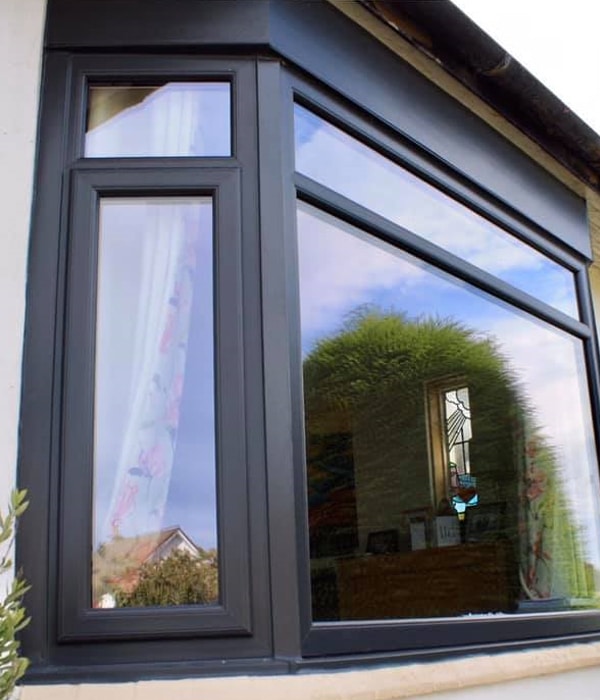
Walk down any residential street in Glasgow, Edinburgh, or Aberdeen and the majority of newer windows you see will be casement style.
They suit almost every type of property, from bungalows and semi-detached houses to flats and new builds, and casement windows suit both traditional and contemporary designs depending on the frame profile and glazing bar configuration.
Because casement windows open outward, they don’t intrude into the room when open.
That makes them a practical choice for kitchens, bathrooms, and any room where furniture or blinds sit close to the window.
A casement window would also be the natural choice for ground floor rooms where you want the window to open wide for ventilation without creating a hazard for people walking past inside the house.
What Is a Tilt and Turn Window?
A tilt and turn window can open in two ways, which is what sets it apart from every other window style.
In the tilt position, the top tilts inwards to create a narrow gap for background ventilation.
In the turn position, the sash swings fully inward from the side, giving you a wide opening for maximum airflow and easy cleaning access from inside the room.

The dual opening mechanism is what makes tilt and turn windows different from every other window type.
You get precise ventilation control through the tilt function (fresh air without a wide-open window) and full inward opening through the turn function when you need it. Tilt and turn windows offer this flexibility through a single handle that switches between the two modes depending on how far you rotate it.
Tilt and turn windows are standard across mainland Europe and they’ve become increasingly popular in Scotland over the past fifteen years. They’re especially common in flats, upper-floor rooms, and new build developments where outward-opening windows aren’t practical or permitted.
Casement vs Tilt and Turn: The Key Differences
How the Window Opens
A casement window opens outward on a side hinge or top hinge.
The sash swings out from the building, and a restrictor limits the opening angle for safety. This outward opening means the window doesn’t take up any space inside the room.
A tilt and turn window opens inward in both modes.
In tilt mode, the top of the sash drops inward by around 100mm to 150mm.
In turn mode, the entire sash swings inward from the side, which requires enough clear space inside the room for the sash to open fully.
If you have deep windowsills with plants, ornaments, or a desk pushed against the wall, inward opening in turn mode means clearing the sill first. The tilt function doesn’t need any sill clearance, though, which is why most people use tilt for everyday ventilation and only open the window fully in turn mode when they need to.
Ventilation
Casement windows provide good ventilation when open, and you can control how wide they swing using the friction stay.
But they’re either open or closed. There’s no intermediate “background ventilation” position that lets a controlled amount of air in while keeping the window mostly closed and secure.
Tilt and turn windows offer precise ventilation through the tilt function.
The narrow inward gap at the top lets fresh air circulate without creating a draught, without letting rain in (because the gap is sheltered by the frame), and without compromising security (because the sash is still locked into the frame at the bottom and sides).
For bedrooms where you want airflow overnight without leaving a window wide open, tilt gives you plenty of ventilation while keeping the window locked in position.
Cleaning
Casement windows on the ground floor are easy to clean from outside.
On upper floors, cleaning the exterior face of an outward-opening casement means using a ladder, or hiring a window cleaner.
Some modern casement designs include an “easy clean” hinge that allows the sash to swing further than normal so you can reach the outer glass from inside, but this varies between manufacturers.
Tilt and turn windows are also easier to clean from inside because the turn function swings the entire sash inward, exposing the full outer face of the glass to the room.
You can clean your windows from the inside of the building on any floor without a ladder, which makes tilt and turn the obvious choice for upper-floor flats and any room where external access is difficult.
This is one of the reasons tilt and turn windows are popular in Scottish tenement flats, where the only way to clean the outside of a casement is from a ladder three storeys up.

Security
Both window types are available with multi-point locking systems that meet PAS 24 security standards.
In terms of hardware, there’s no meaningful security difference between a well-specified casement and a well-specified tilt and turn.
Where tilt and turn has a slight edge is in the tilt position.
Because the sash only opens at the top by a narrow gap, and it’s locked into the frame at the bottom and sides, a tilt and turn window in tilt mode is effectively as secure as a closed window while still providing ventilation.
A casement window that’s open inwards for ventilation creates a wider gap that’s more accessible from outside, particularly on the ground floor.
Windows still need to meet PAS 24 security standards regardless of type, but tilt mode is inherently more secure when left open.
Energy Efficiency
Both casement and tilt and turn windows can achieve the same energy efficiency ratings and U-values, because thermal performance depends on the glazing, the frame material, and the seal quality rather than the opening style.
Our casement and tilt and turn windows both use Energy Reflecting Glass, achieving U-values as low as 0.8 W/m2K in double glazed and triple glazed configurations.
Tilt and turn windows do have a reputation for slightly better airtightness when closed because the sash compresses against the frame on all four sides.
Casement windows seal well too, but the hinge side relies on the friction stay mechanism rather than a full compression seal.
In practice, the difference is marginal with modern window systems, and both types are energy efficient enough to make a real difference to heating bills compared to older windows.
Which Rooms Suit Casement Windows?
Casement windows work well in most rooms, which is why they’re the default choice for the majority of window replacements. They’re particularly well suited to:
Ground Floor Rooms
The outward opening doesn’t create a hazard and you want wide ventilation without the sash intruding into the room.
Kitchens
Where a casement window above the worktop opens outward and doesn’t interfere with taps, drying racks, or items on the sill.
Living Rooms and Bedrooms
For living rooms and bedrooms with a more traditional aesthetic, casement windows are well-suited.
Conservation Areas
Some areas in the UK require a traditional outward-opening window style to match the character of the building.
Which Rooms Suit Tilt and Turn Windows?
Tilt and turn windows come into their own in situations where casement windows aren’t practical. They’re the better option for:
Upper-Floor Flats
Tilt and turn windows allow easy cleaning from the inside.
Bedrooms
Where you want to leave a window open overnight for fresh air without compromising security (tilt mode keeps the window locked).
Rooms Above Walkways or Busy Paths
Outward-opening sash in certain areas can swing into the path of pedestrians, the tilt function on tilt and turn windows can make them the perfect windows.
High-Rise or Multi-Storey Building
Building regulations restrict outward-opening windows above a certain height, in these cases, tilt and turn with safety features may be preferred.
Can You Mix Casement and Tilt and Turn in the Same House?
Yes. In fact, many homeowners do.
A common approach is to fit casement windows on the ground floor (where outward opening is practical and cleaning is easy) and tilt and turn windows on the first floor and above (where inward opening is safer and cleaning from inside is a genuine advantage).
Choosing tilt and turn or casement for each room gives you the best of both worlds, and it’s the approach we’d recommend for most houses.
The difference is only noticeable from the inside, in how the window opens.
We supply both types in our full range of uPVC windows and doors, and our team can recommend the right windows for your home, room by room, during the survey.
Get Help Deciding Which Type of Window Is Best for Your Home
Not sure what to go for? Let The Advanced Group walk you through the process.
Our trusted team has over 38 years of double glazing experience in supplying and installing energy-efficient windows and doors across Scotland.
We listen to the specifics of your property, your lifestyle and your style choices, to expertly recommend the right window for you.
From cosy bungalows to sprawling house estates, we work with every type of property. And because no two homes face the same conditions, we factor in your local climate too, including specialist protection for coastal salt air.
Even better, all our windows come with a 15-year guarantee, so you can feel confident that they will last their time.
If you are looking to learn more information on our services, give our friendly team a call today and we will be happy to guide you through the next stages.
