


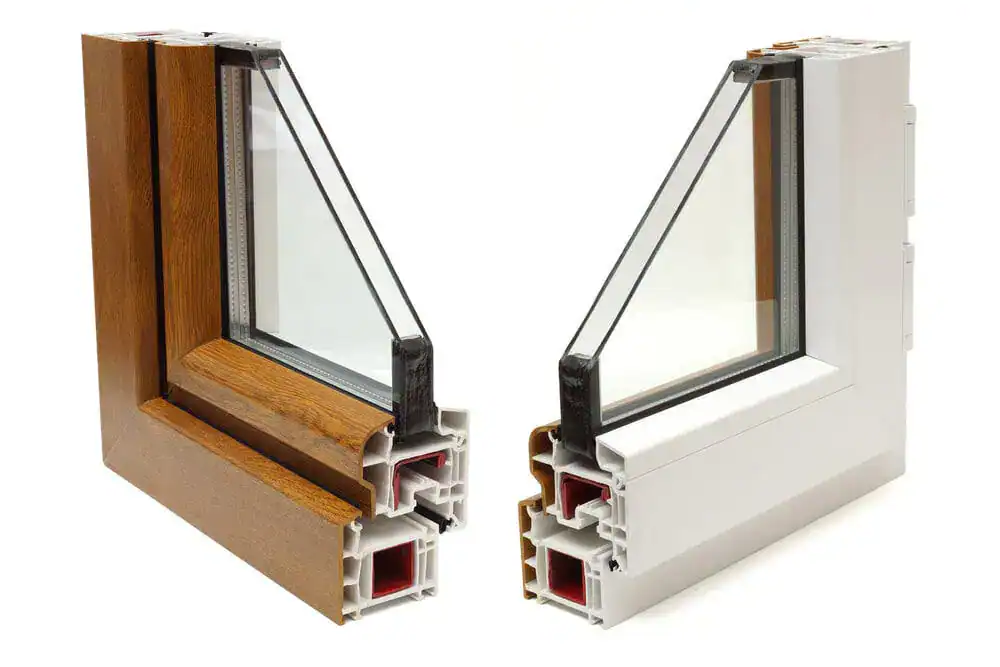
What does A-rated mean for window energy ratings? – By Edinburgh double glazing experts
The window ratings system in the UK is run by the BFRC, the British Fenestration Rating Council. Every window is assigned a band on a scale from G, the least efficient, up through to A and beyond.
Window energy ratings explained simply. G is the worst and A is where the clear practical benefit sits for most homes.
A-rated windows carry a window energy rating calculated from three factors: heat loss through the glass and frame (the U-value), solar heat captured through the glass (the g-value), and air leakage around the frame edges.
Together those three figures determine whether the window has a near-zero or positive energy balance across the year.
A window with a high energy efficiency and overall performance score captures enough solar heat from the sun to offset most of what it loses through conduction. That’s what puts it in the A band.
What makes a window qualify for A-rated?
Three things drive a window’s overall energy efficiency. The glass specification, the gas fill, and the frame.
Each one contributes to the final rating, and all three need to work together.
Low-E glass and the g-value
Low-emissivity glass has a microscopically thin coating on the inner pane that reduces the rate at which heat radiates back out through the glass.
The g-value, known as the solar factor, measures how much heat from the sun passes through the glass into the room, on a scale from 0 to 1. A higher reading means more solar warmth enters, which contributes positively to the window energy rating.
Low-E coating reduces heat loss without cutting the g-value so far that the window stops capturing useful solar heat. That balance is what allows a well-specified double glazed unit to achieve A-rated performance.
Argon gas fill and insulated glazing
Standard sealed units from twenty years ago used air between the panes of glass. Air is a reasonable insulator but argon, an inert gas, conducts heat less readily.
Replacing air with argon between the panes of glass improves the thermal efficiency of the sealed unit noticeably, and has been standard on A-rated double glazing for years.
The improvement is one reason why replacing old air-filled double glazed units with current A-rated glazing makes such a practical difference.
Frame material and seals
The window frame carries roughly 20 to 30% of the total window area, so the frame material matters for the whole-window U-value.
uPVC windows, aluminium windows, and composite windows all perform differently as frame materials, and that difference feeds directly into whether the finished product earns A-rated.
uPVC is naturally low maintenance and insulates significantly better than aluminium, which conducts heat readily and creates thermal bridging across the frame.
This is one of the many reasons we are so passionate about uPVC at The Advanced Group. Our new windows are designed with multi-point locking points, advanced spacer bars, and full perimeter seals, which is why they outperform older frames where the seals have degraded over time.
A-rated vs A+ and A++ windows
Above the A band on the scale sit A+-rated windows and A++ rated units. These achieve a even better energy balance, typically through triple glazed configurations with enhanced frame constructions and sometimes krypton fills rather than argon.
For most Scottish homes, A-rated double-glazed windows deliver the thermal efficiency and heat retention needed for comfortable, well-insulated rooms through the heating season.
Where A+ and A++ make more sense is in passive house designs, new builds with a demanding minimum energy performance target, or very exposed positions like highland properties and coastal sites where the additional insulation is justified by the conditions.
For most properties in Central Scotland, the benefits of A-rated windows are clear.
A-rated glazing achieves the energy efficiency ratings the property needs at a cost that makes financial sense.

Benefits of A-rated windows for homeowners
Installing A-rated windows reduces heat loss, improves heat retention, and cuts air infiltration across the whole property. The combination of those three improvements is where most homeowners notice the difference, usually in how warm their rooms feel near the windows before they see it on their heating bills.
Reduced heating costs follow from how much less your boiler has to work. Rooms that were cold near the windows stay warmer for longer, and the savings build across a full Scottish heating season.
If you’re replacing a full house of old air-filled units, the improvement in your heating bills is measurable from the first winter.
The weather resistance of compression-sealed uPVC windows also matters in Scotland. Wind-driven rain and cold draughts are a regular part of the climate, and a well-fitted A-rated casement window keeps the internal temperature stable regardless of what’s happening outside.
A-rated double-glazed windows also contribute positively to your home’s energy performance certificate rating, which matters if you plan to sell.
For properties in new builds, energy-efficient windows are part of meeting Section 6 of Scottish Building Standards from the outset, and having new windows installed that carry A-rated WER ensures compliance is straightforward.
If you upgrade from old double glazing, you can reduce your energy bills noticeably within the first full heating season. The step from 3.0 W/m²K to 1.2 W/m²K across a full set of windows is not subtle.
Are A-rated windows worth the investment?
Yes, particularly when replacing air-filled units from the early 2000s or before. The energy efficiency gap between that generation of double glazing and current A-rated glazing is significant in practice, and it’s felt in every room across every winter.
A window should holds its specification performs reliably across the life of the installation, not just on the day it’s fitted.
We believe in the quality of our products at The Advanced Group. All our installations come with a 15 year guarantee so you can feel confident in them too.
What’s more, is all our double glazed windows carry an A-rating WER as minimum, and every unit uses low-E glass and argon gas fill as standard.
A-rated uPVC windows and doors across Scotland
For A-rated windows with low-E glass and argon gas fill standard on every sealed unit, trust The Advanced Group.
Our Advanced 70+ uPVC profile supports A-rated performance across our full range of casement windows, tilt-and-turn, top-hung, and French styles, in both double and triple glazed configurations.
Our uPVC windows are low maintenance, weather resistant, and backed by a 15-year guarantee covering the sealed glass unit, frames, hardware, and workmanship. We’ve been supplying and installing windows throughout Scotland since 1988, for a team with over 38 years of experience.
To learn more about our products or arrange a free home survey, call our friendly Edinburgh team today on 0131 370 0444.
