


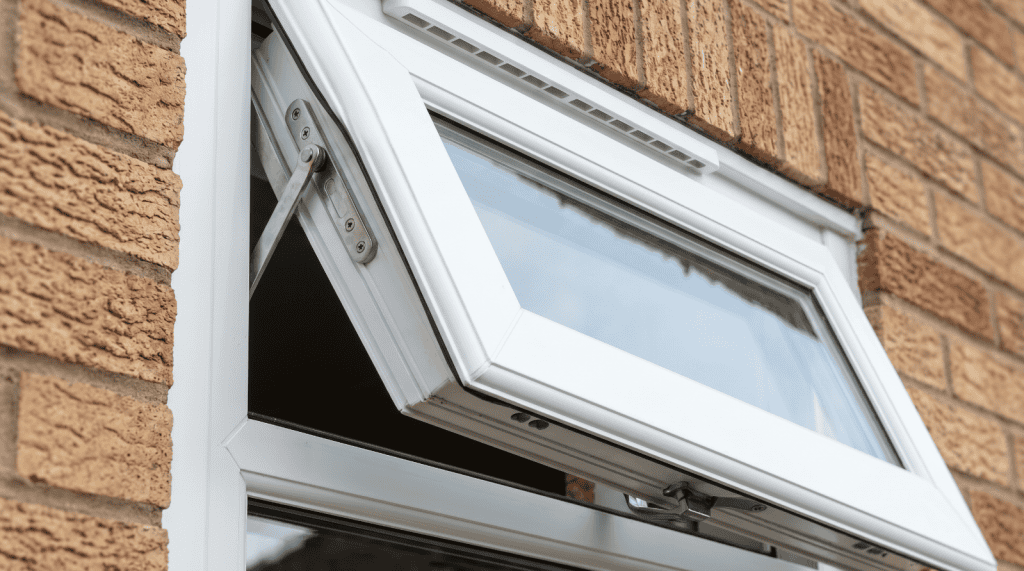
The proportion of wasted energy from poor or failed glazing adds up across a Scottish winter, and upgrading your glazing is the most direct route to reducing the amount of energy your heating system has to replace.
Glazing helps more than most home improvements because windows and doors are the thinnest point in your home’s thermal envelope.
Whether you’re looking to insulate your home more effectively, reduce heat loss, or lower your energy bills over the long run, the glazing specification matters more than most people realise before they start comparing quotes.
How double glazing reduces heat loss – From double glazing experts
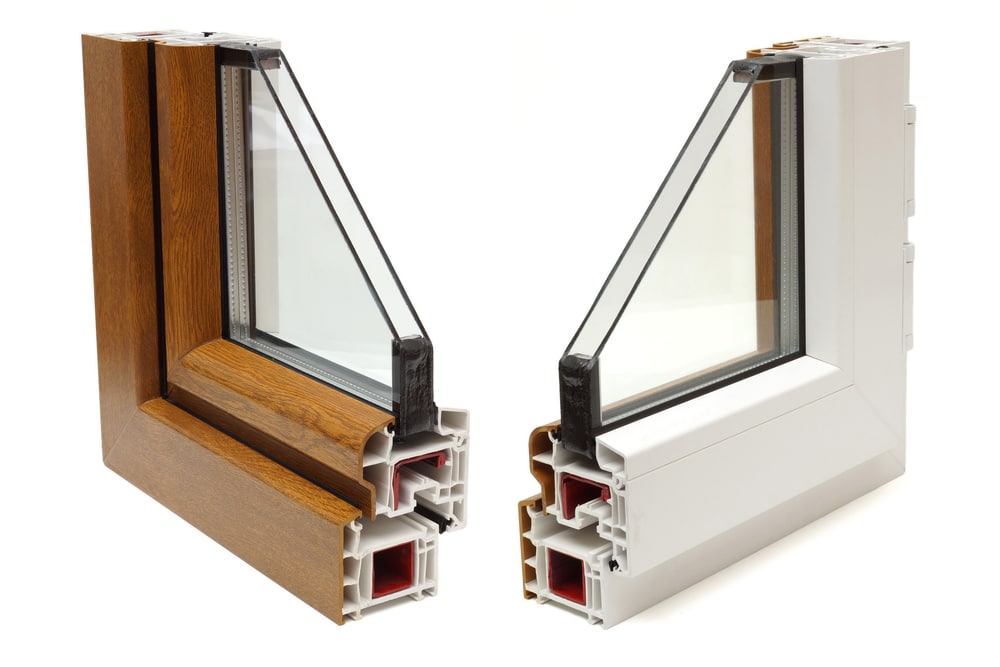
Double glazing works on three separate levels: the gas-filled cavity between the glass panes, the coating on the glass itself, and the spacer bar running around the perimeter of the sealed unit.
Each one addresses a different route by which heat escapes through a window opening.
Argon gas and the sealed cavity
A double-glazed unit consists of two panes of glass separated by a sealed cavity filled with argon.
Argon is an inert gas that conducts heat less readily than air. Panes of glass separated by an argon-filled cavity slow heat transfer across the unit far more effectively than the air-filled sealed units that were standard in windows made twenty years ago.
The hermetic seal around the edge keeps the argon in place and moisture out, and a failed seal that clouds the glass also reduces the unit’s insulating performance for the same reason.
Low-E glass coating
Low-E glass has a microscopically thin metallic coating on the inner surface that reflects radiant heat back into the room.
A window with low-E glass captures solar energy entering from outside while reducing the amount of heat radiating back out through the glass during colder hours.
The coating doesn’t noticeably affect light transmission, but it does improve the overall energy efficiency of the sealed unit by keeping more of the heat inside your home.
Warm-edge spacers
Spacer bars hold the glazing panes apart at the edges of the sealed unit.
Conventional spacers conduct heat at the glass perimeter, creating a cold strip around the frame edge.
Warm-edge spacer composites used in A-rated double glazing insulate the edge zone more effectively. This reduces heat loss through windows at that point and improves the overall U-value of the finished window across its full area.
How much could you save on energy bills?
The Energy Saving Trust estimates that a semi-detached home can save around hundreds of pounds a year on household bills by upgrading from single glazing to A-rated double glazing.
The improvement from single glazing to A-rated double glazing produces the sharpest result because the gap in thermal performance is widest at that step.
A single-glazed window has a U-value of around 5.0 W/m²K. A-rated double glazing can achieve around 1.2 W/m²K. This means heat loss is cut by more than three quarters compared to single glazing and reduces energy consumption across the whole heating season.
Reducing that heat loss directly cuts energy costs and trims the carbon footprint of the property at the same time.
Even replacing old double glazed windows sees serious energy savings.
Overtime the double glazing seal may have failed, and modern technology has improved greatly, meaning efficiency upgrade even when the property already has double glazing.
Heating bills fall noticeably, and rooms that used to feel cold near the windows stay warmer for longer through the evening.
Single glazing, double glazing, triple glazing
U-values give the most direct comparison across glazing types.
Single-glazed windows run at around 5.0 W/m²K.
Standard double glazing with an air cavity can sits at around 2.4 to 2.8. A-rated double glazing using low-E glass and argon with The Advanced Group reaches around 1.2 W/m²K.
Triple glazed windows from our Advanced 70+ range achieve 0.8 W/m²K!
Choosing between double or triple glazing comes down to the property and its position.
For most Scottish homes, A-rated double glazing delivers the improvement in thermal performance needed to keep your home comfortable through winter and lower bills significantly.
Triple glazed units are better suited to exposed positions, passive house builds, or properties where the heating system is consistently running at its limit through the coldest months.
Modern double glazing is considerably better than double glazing from twenty years ago.
Air-filled sealed units with standard glass let heat escape at roughly twice the rate of current A-rated units.
Replacing old double-glazed windows with high-quality double glazing from our range delivers better insulation than the existing windows can achieve, even before you account for any deterioration in the old seals over time.
How energy ratings affect your bills
The WER scale gives carries an energy rating on a scale from A to G, tested independently to national standards, to double glazed window products.
The window energy rating combines three measurements: the U-value (heat loss through the glass and frame), the solar heat gain from solar energy entering through the glass, and air leakage around the frame edges.
A-rated double glazing produces a near-zero or positive energy balance across an average UK year.
The solar energy captured during daylight hours partially offsets the heat lost through the glass overnight, and windows lower down the scale lose considerably more than they capture. This increases energy consumption and pushes energy costs higher through the heating season.
The energy rating and the U-value together give the most complete picture of energy-efficient glazing in practice.
U-value measures how much heat escapes through the glass and frame.
The energy rating adds solar gain and air leakage to that figure, so the rating tells you more about how the window will actually perform across a year in terms of overall energy efficiency than the U-value alone.
Installing energy efficient uPVC windows
The glass specification accounts for most of a window’s thermal performance. But your frame is important too. It carries roughly 20 to 30% of the total window area.
A well-specified uPVC window helps insulate the whole opening by improving insulation and reducing the amount of heat that escapes through the frame, glass, and edge seal together.
uPVC naturally conducts less heat than metal frames, so a uPVC window starts from a lower energy loss baseline without needing any additional engineering.
We use multi-chamber frame design that traps air inside the profile, alongside low-E glass and argon gas fill as standard.
It is important to use an experienced installer for your windows, as a seamless installation is just as important as the windows themselves.
With over 38 years of industry experience, you can trust The Advanced Group to have you covered.
Contact The Advanced Group for energy efficient uPVC windows and doors across Scotland
If you are looking for a way to improve your home’s energy bills, The Advanced Group are here to help with our experienced double glazing installation and incredible range of window frames.
We offer our full range of uPVC windows in casement, tilt-and-turn, top-hung, and French styles, with our triple glazed windows achieving U-values of 0.8 W/m²K for the most demanding positions in any Scottish property.
Whether double glazing or triple glazing is the right choice for your home, our surveyors can assess each opening during a free home visit and recommend the specification that best suits your property.
For expert advice on glazing options and which efficiency upgrades make sense for your circumstances, we’re happy to talk through the detail before you commit to anything.
Call our Glasgow showroom on 01355 271 223 or Edinburgh team on 0131 370 0444, or request a free quote online. We’ll arrange a no-obligation home survey and talk through the double and triple glazing options suited to your property.
